Miscellaneous Unity Projects
Over the years, I’ve worked on a number of projects in Unity3D. While none were released publicly, they provided valuable hands-on experience with the engine and multiplayer frameworks. Some of the more notable projects are listed below.
Zelatious Framework
Zelatious is a multiplayer and client framework designed to mimic the style of older GoldSrc-engine games such as Half-Life and Counter-Strike.
It provides features including:
- A management console and command interpreter
- A server browser and broadcaster
- Advanced player management
It integrates with Unity’s existing NetworkBehaviour system.
Zelatious began its life as the management layer in Pieces of Eight, before being extracted into a more generic standalone framework.
CityGame
The first project after Pieces of Eight, CityGame served both as a testbed for Zelatious and as a platform for deeper experimentation with Unity.
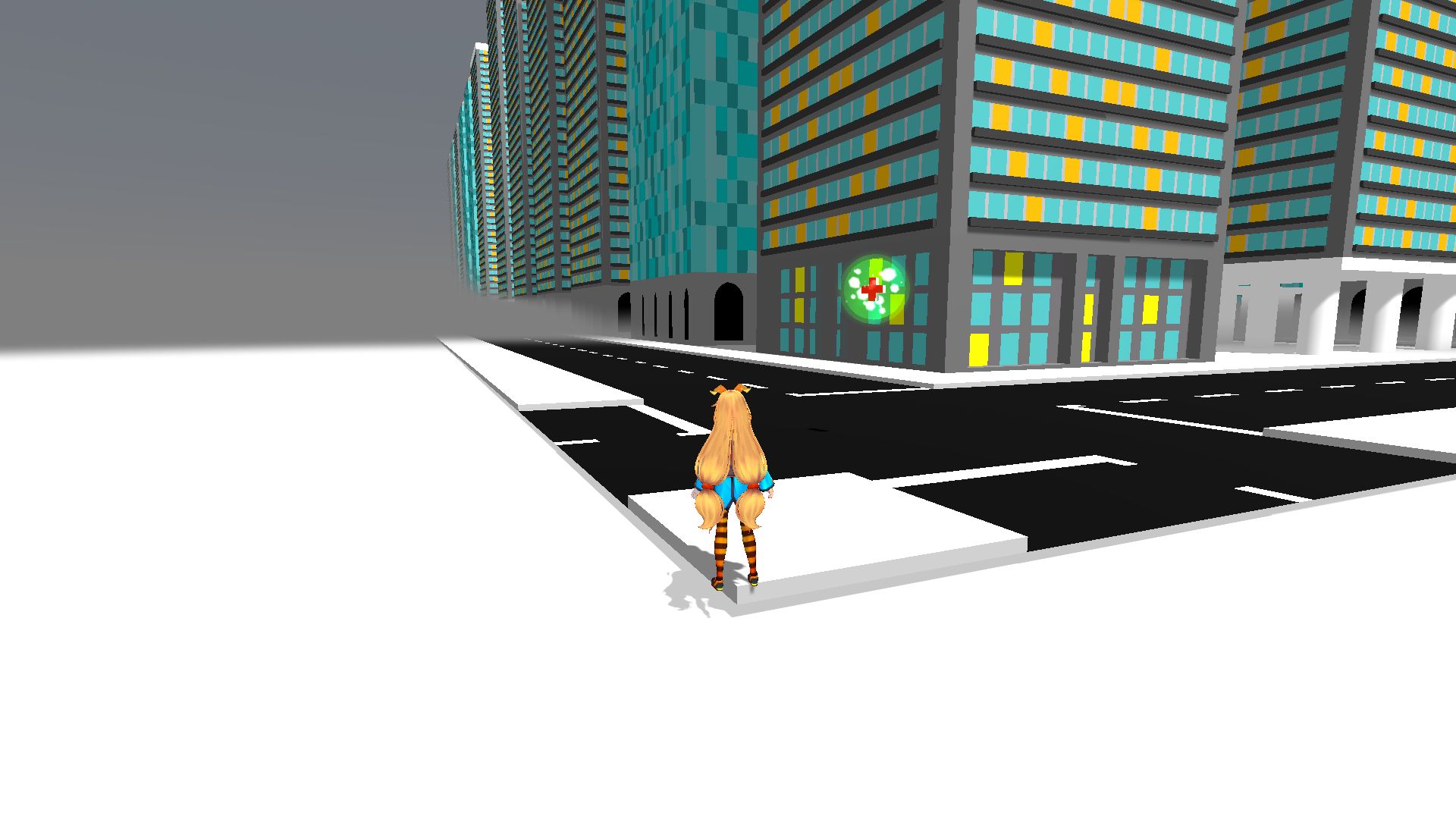
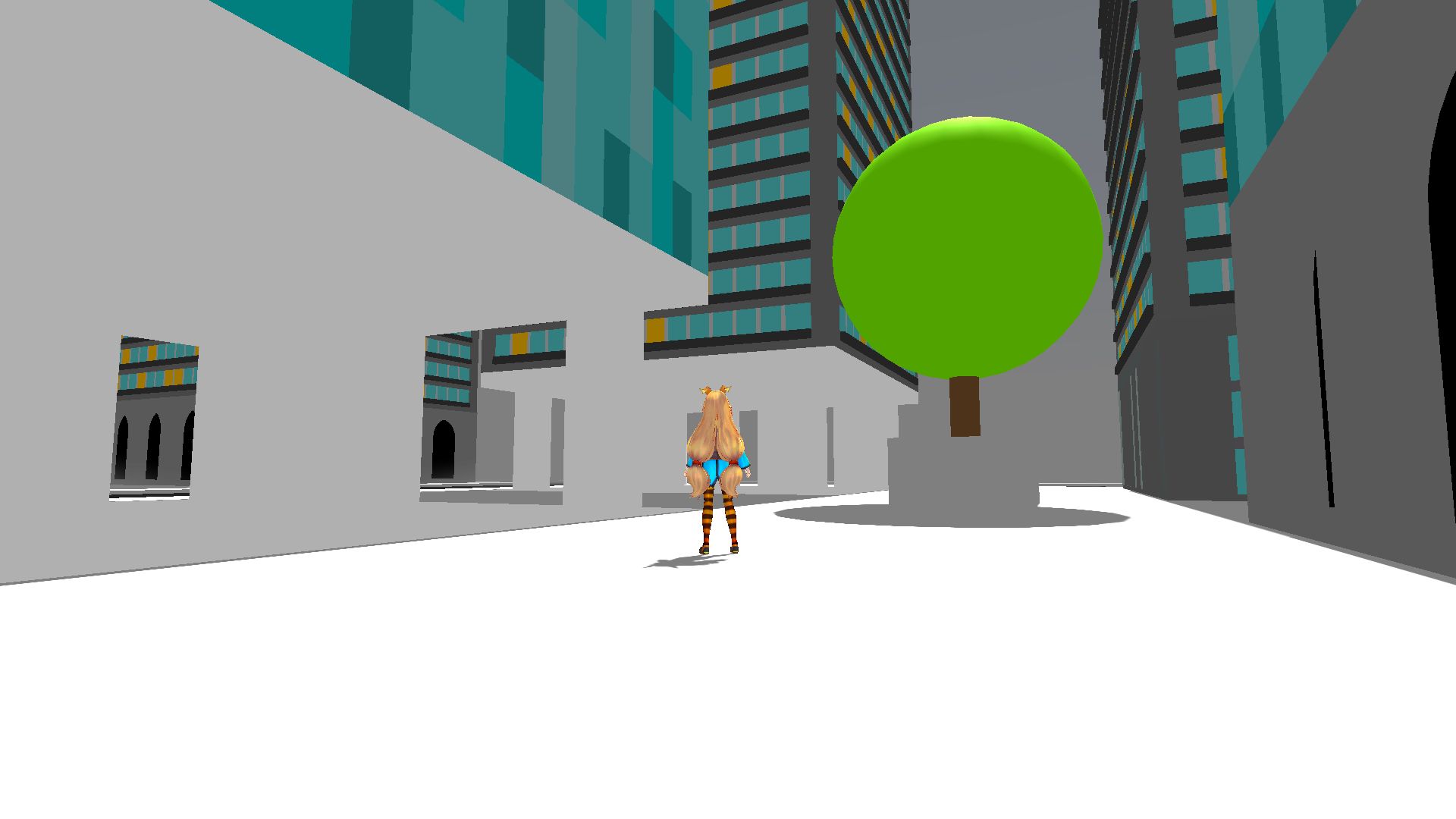
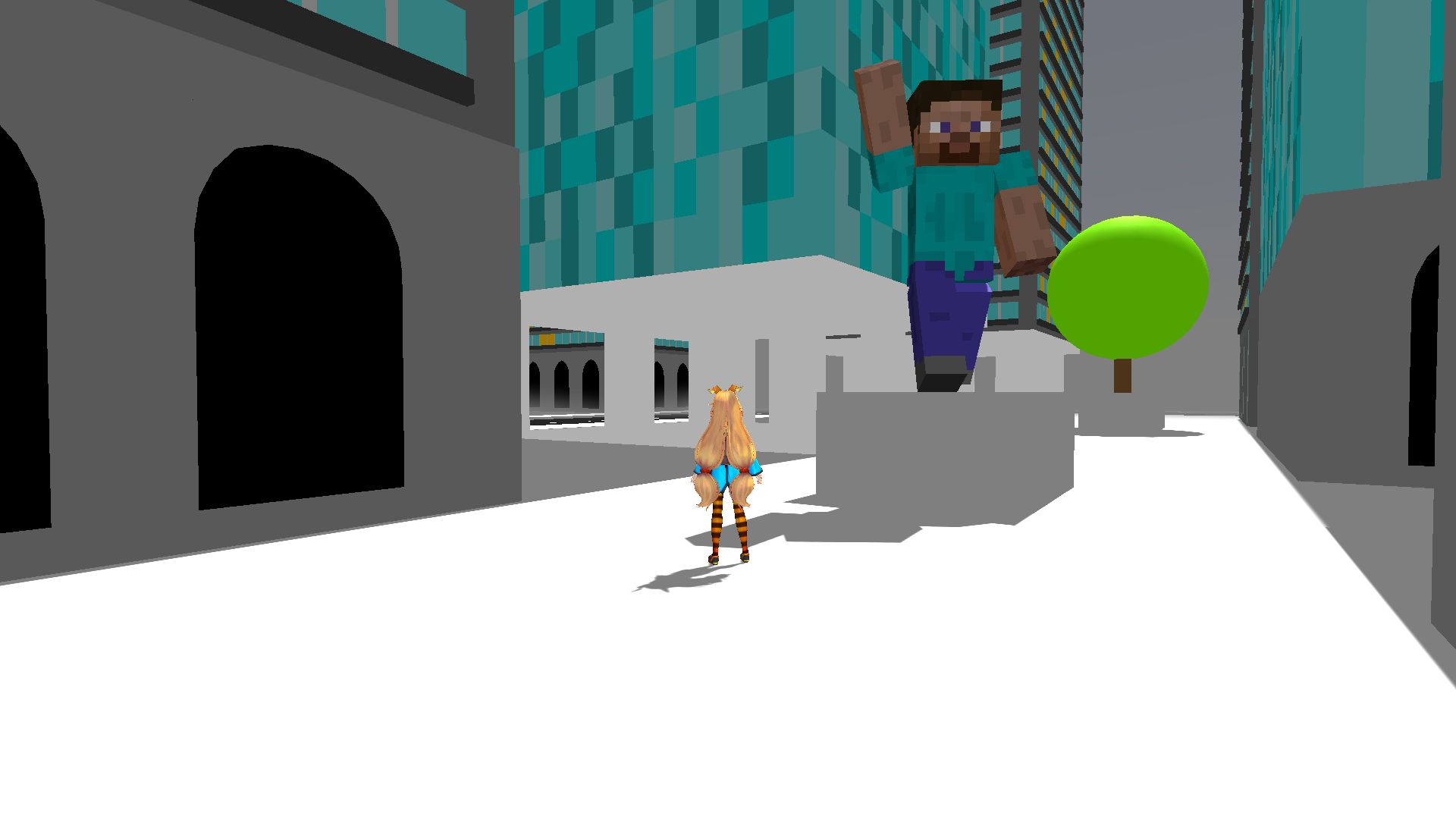
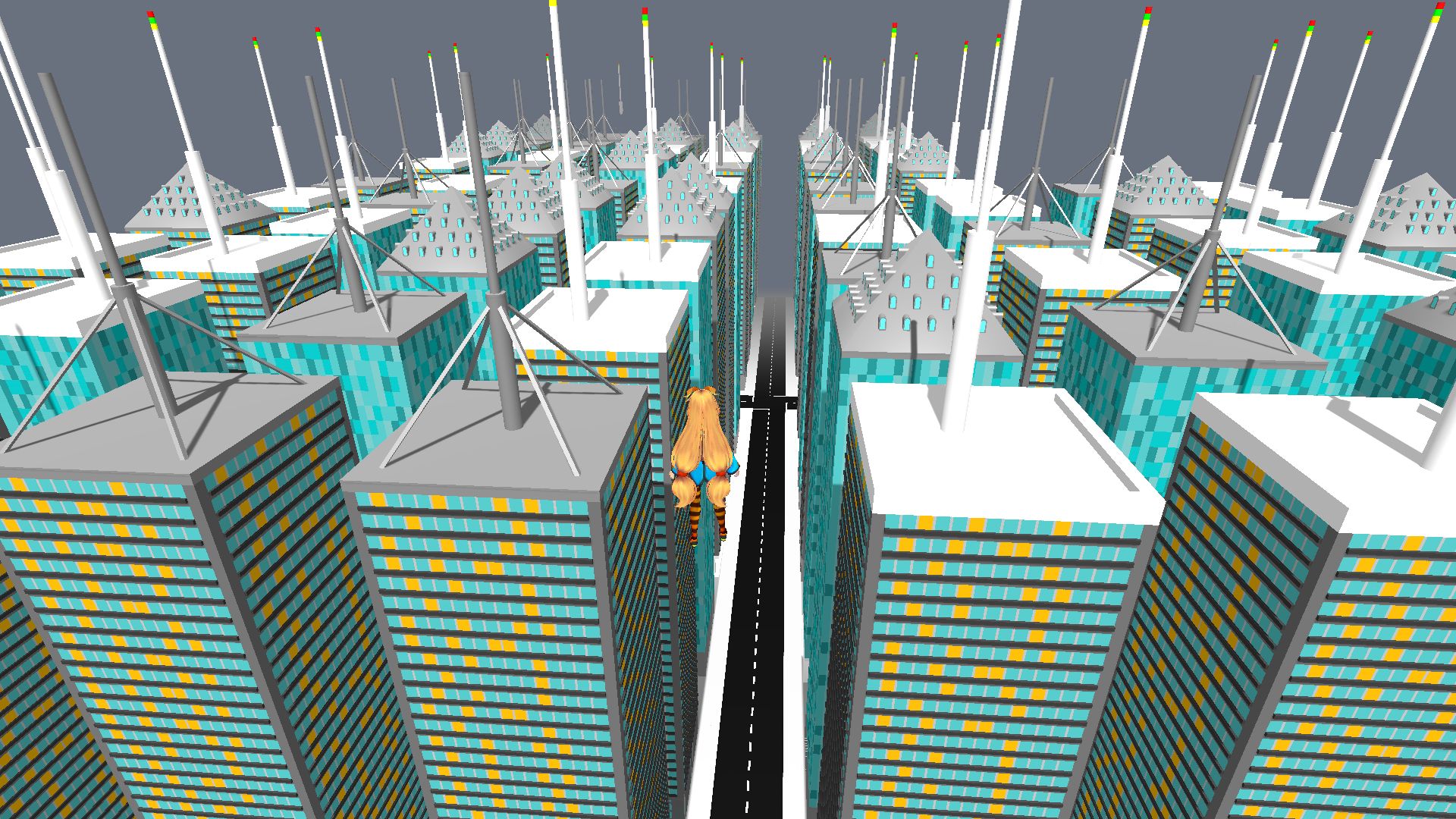
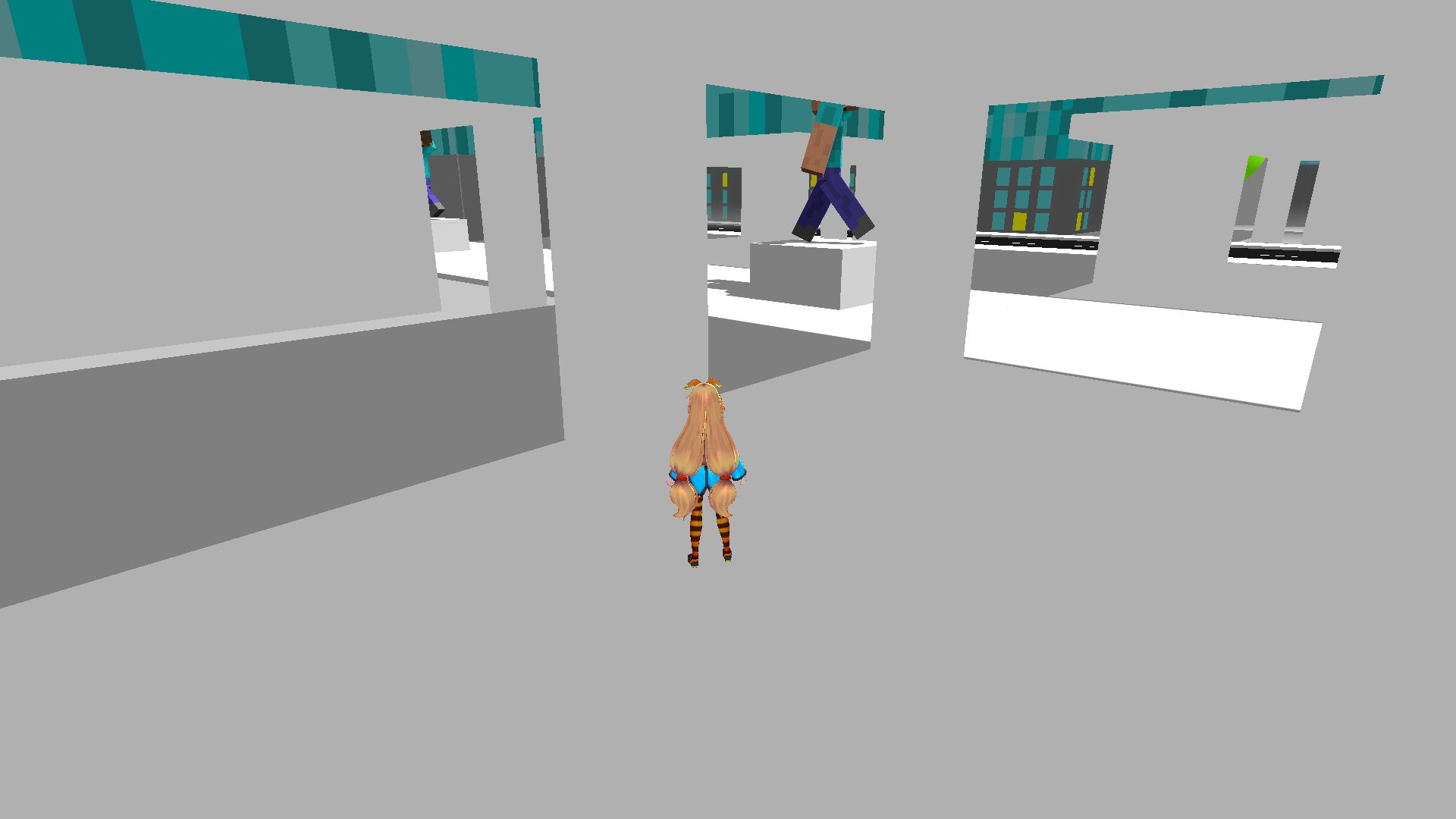
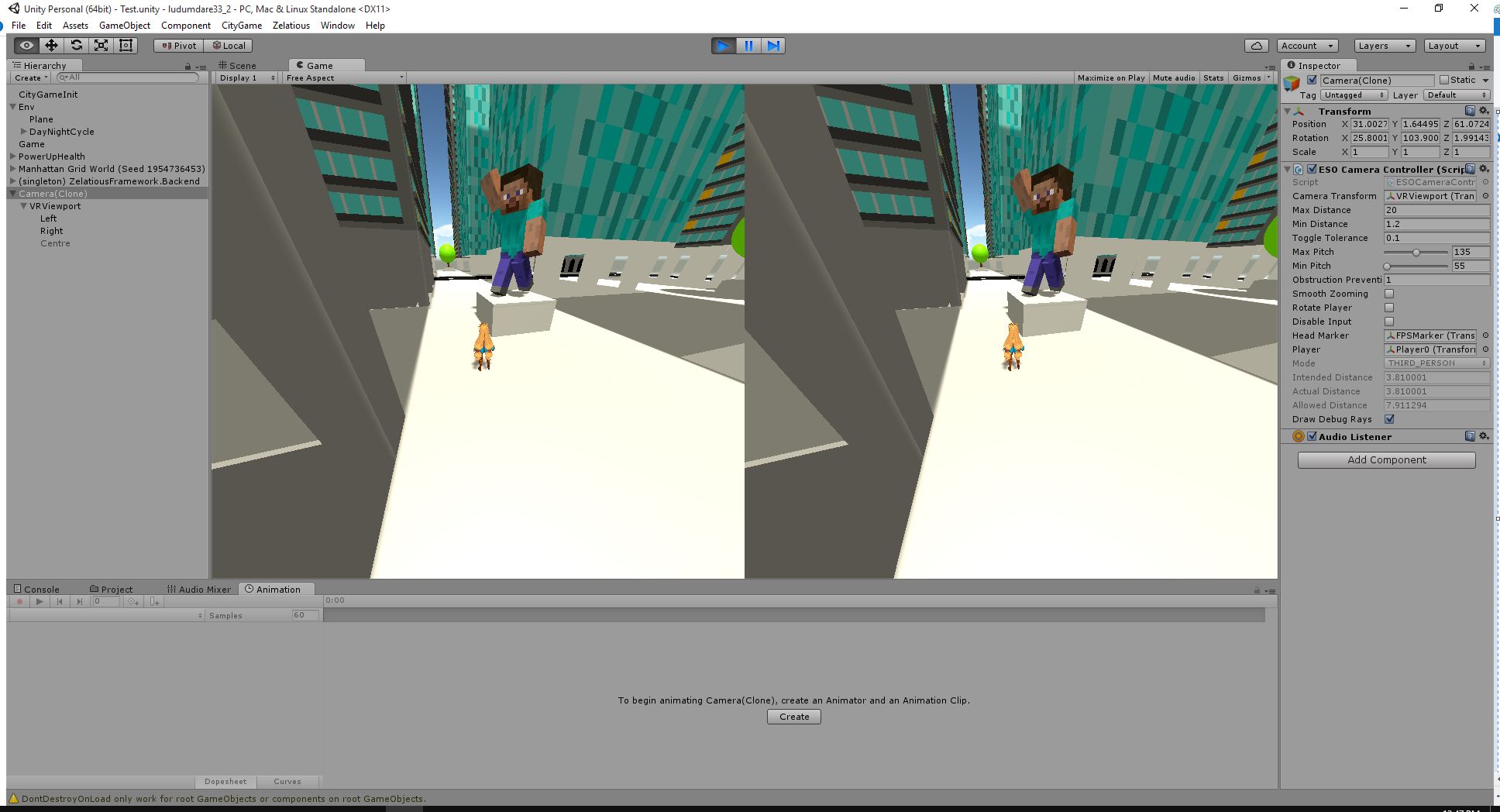
It was a simple sandbox featuring a procedurally generated city (basic, proof-of-concept level) where the player controlled Unity-Chan!. There was no formal gameplay – it primarily tested techniques and systems.
Key features included:
- A third-person camera inspired by The Elder Scrolls Online, with physics-based clipping to prevent wall peeking
- A simple day/night cycle that rotated two directional lights (Sun and Moon) around a pivot, managed their relative intensities, and adjusted world ambient lighting and sky fog
- A procedurally generated city that placed pre-made roads and buildings in a grid as the player moved around
Videos
Screenshots
LoLClone / MOBABuild
An experimental project exploring whether I could build a basic MOBA framework, similar to League of Legends or DOTA.
Using assets ripped from League of Legends, I implemented a rudimentary client-server event system.
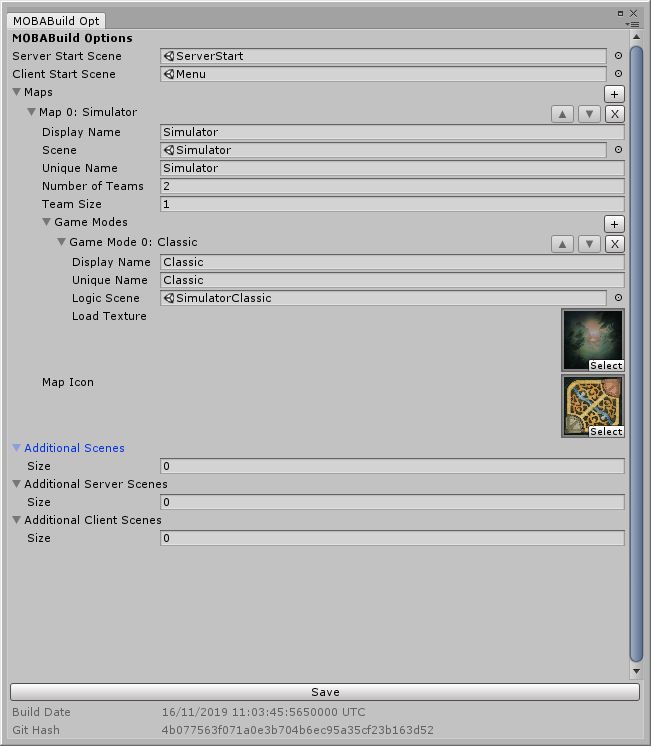 Screenshot of the main MOBABuild interface
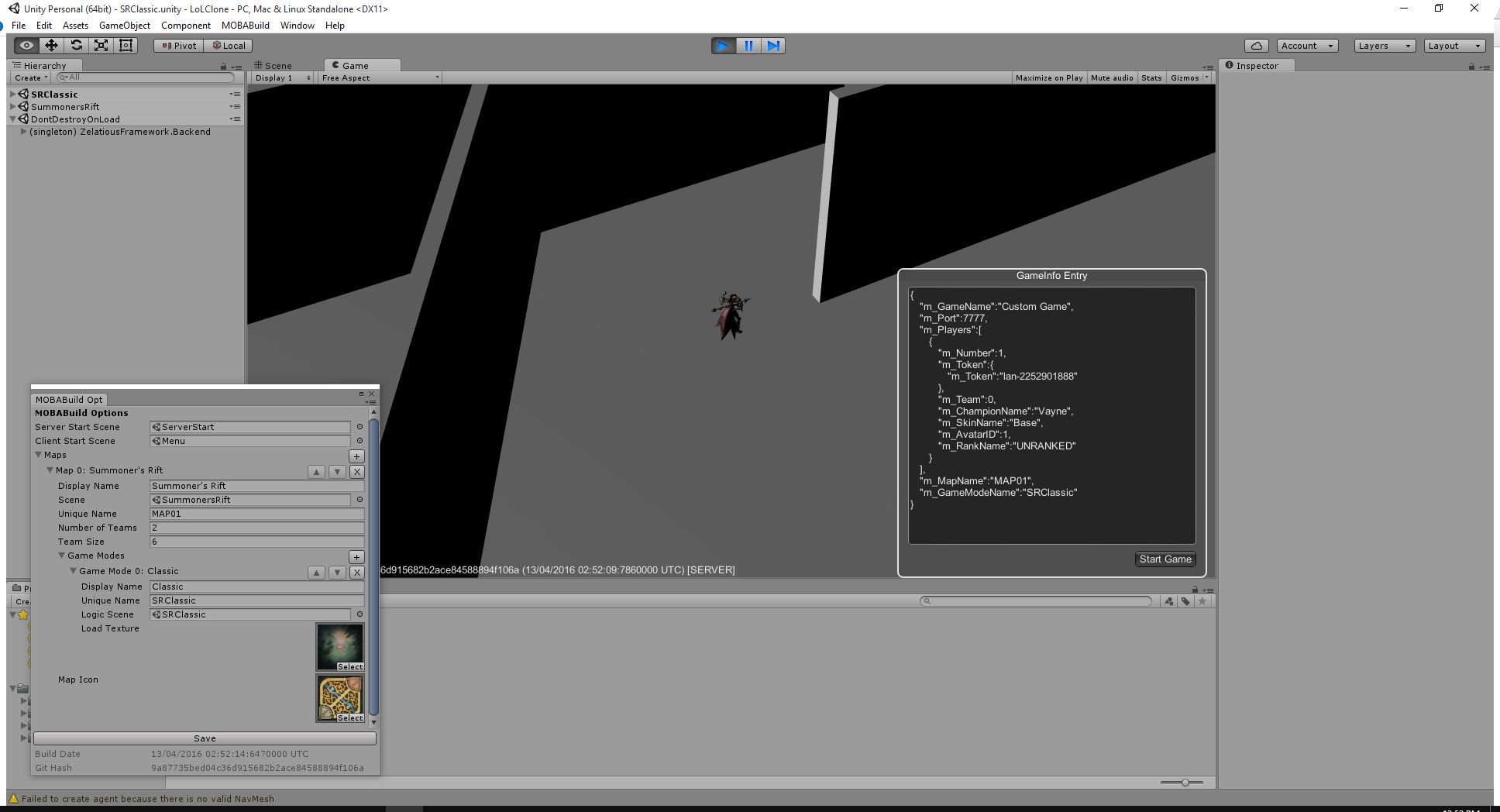 Development Screenshot
Demonstration
Preparation H
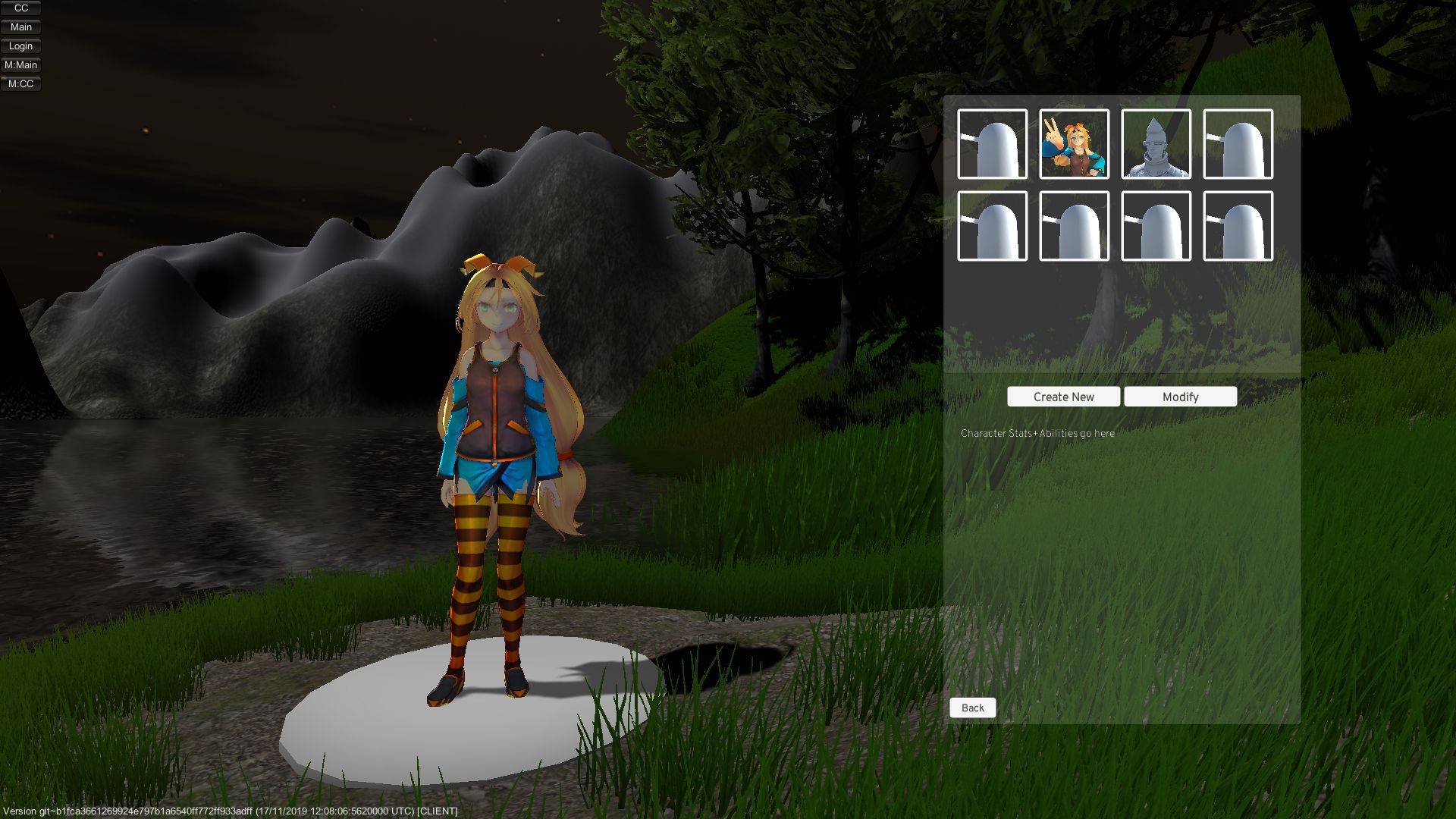
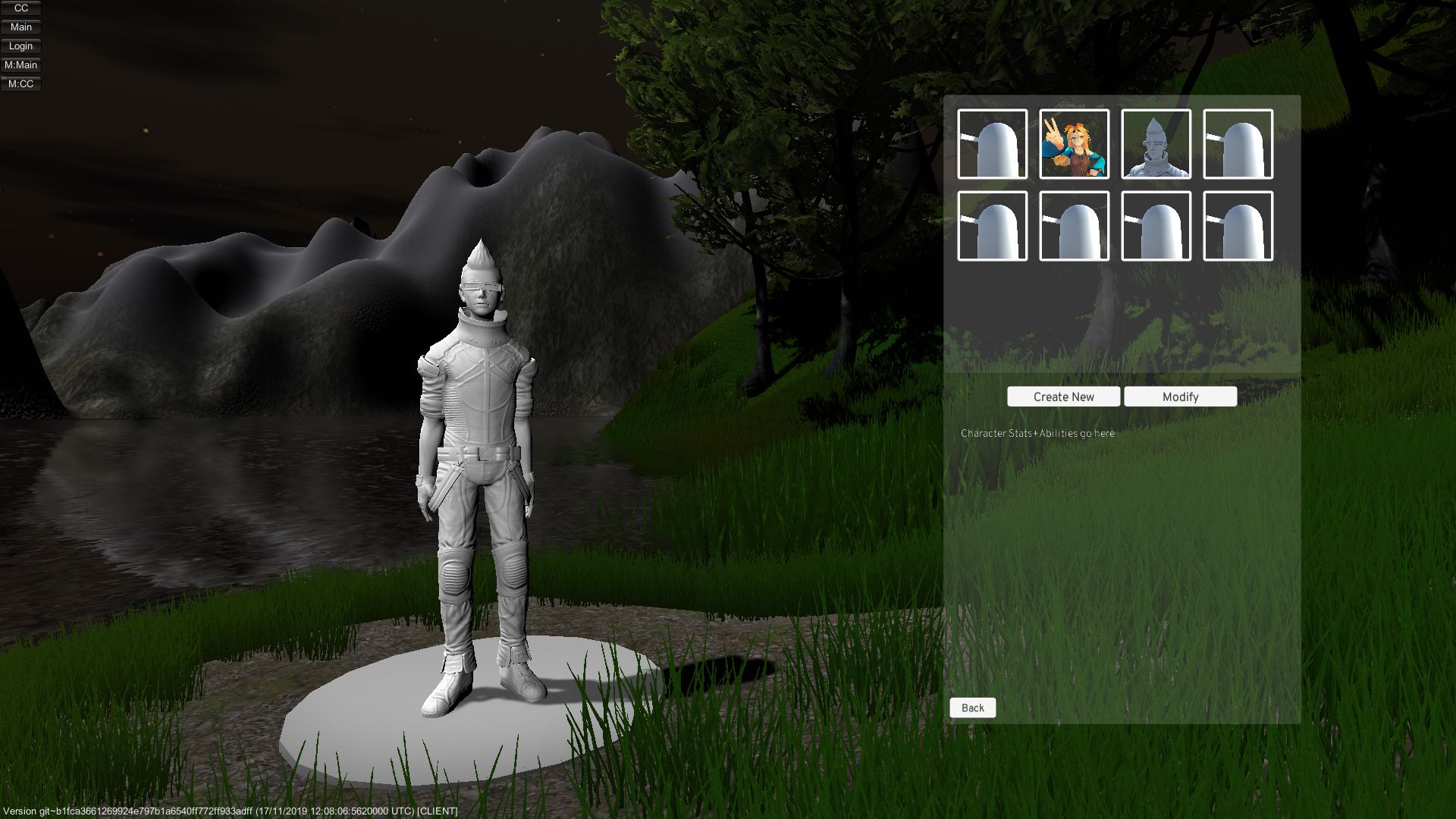
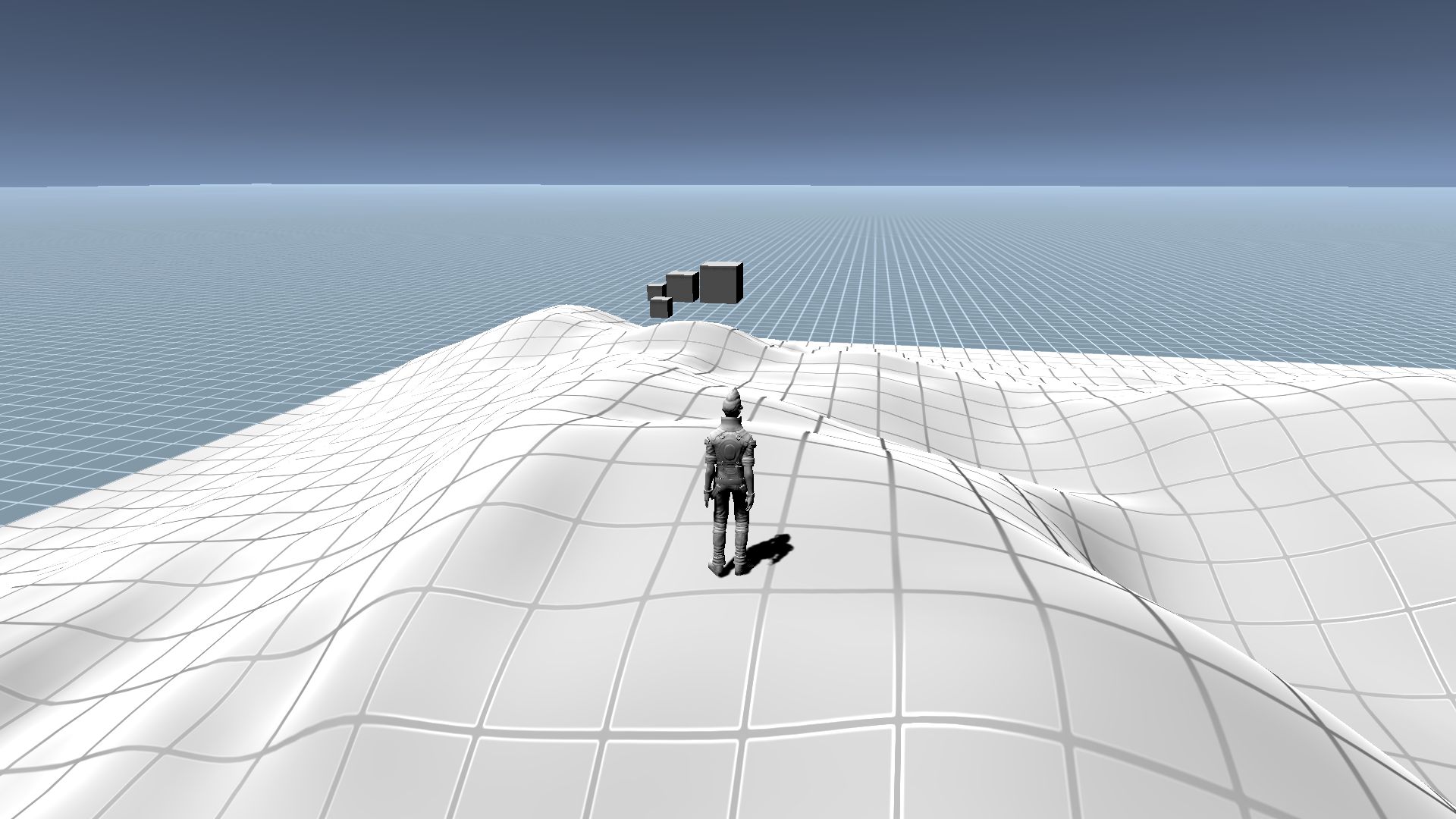
The evolution of CityGame combined with elements from LoLClone. Like those projects, it served as an engine testbed, but with curated and improved content.
ℹ️ Note
The project name “Preparation H” was taken from the third Austin Powers film. At the time, I was unaware of its other connotations.
Removed
- Procedurally generated city
Added / Improved
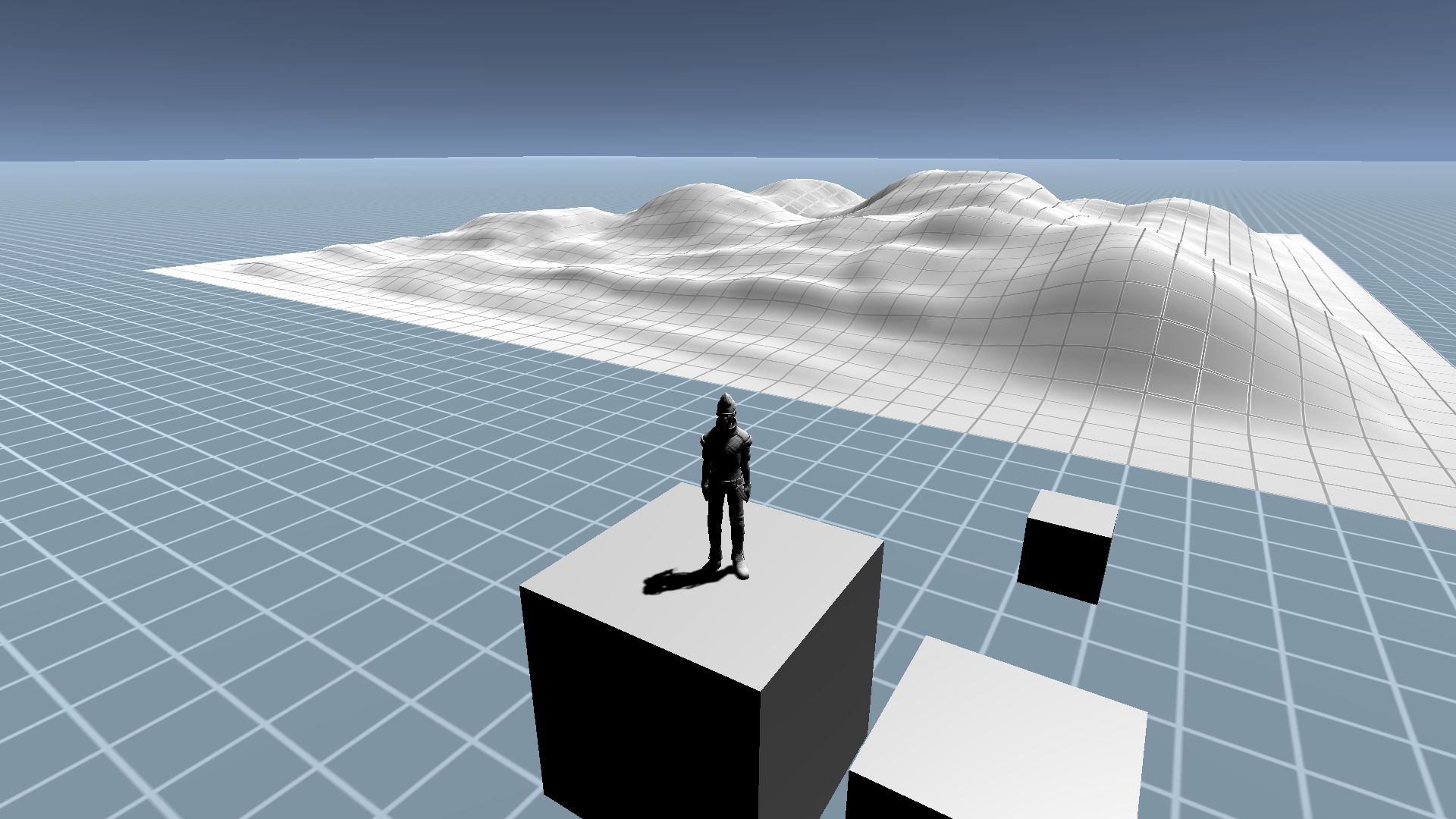
- A significantly improved day/night cycle, taking into account phases of the day (Astronomical/Nautical/Civil Dawn, Day, Night, etc.), ambient lighting, fog, and fading in stars and the night sky at appropriate times
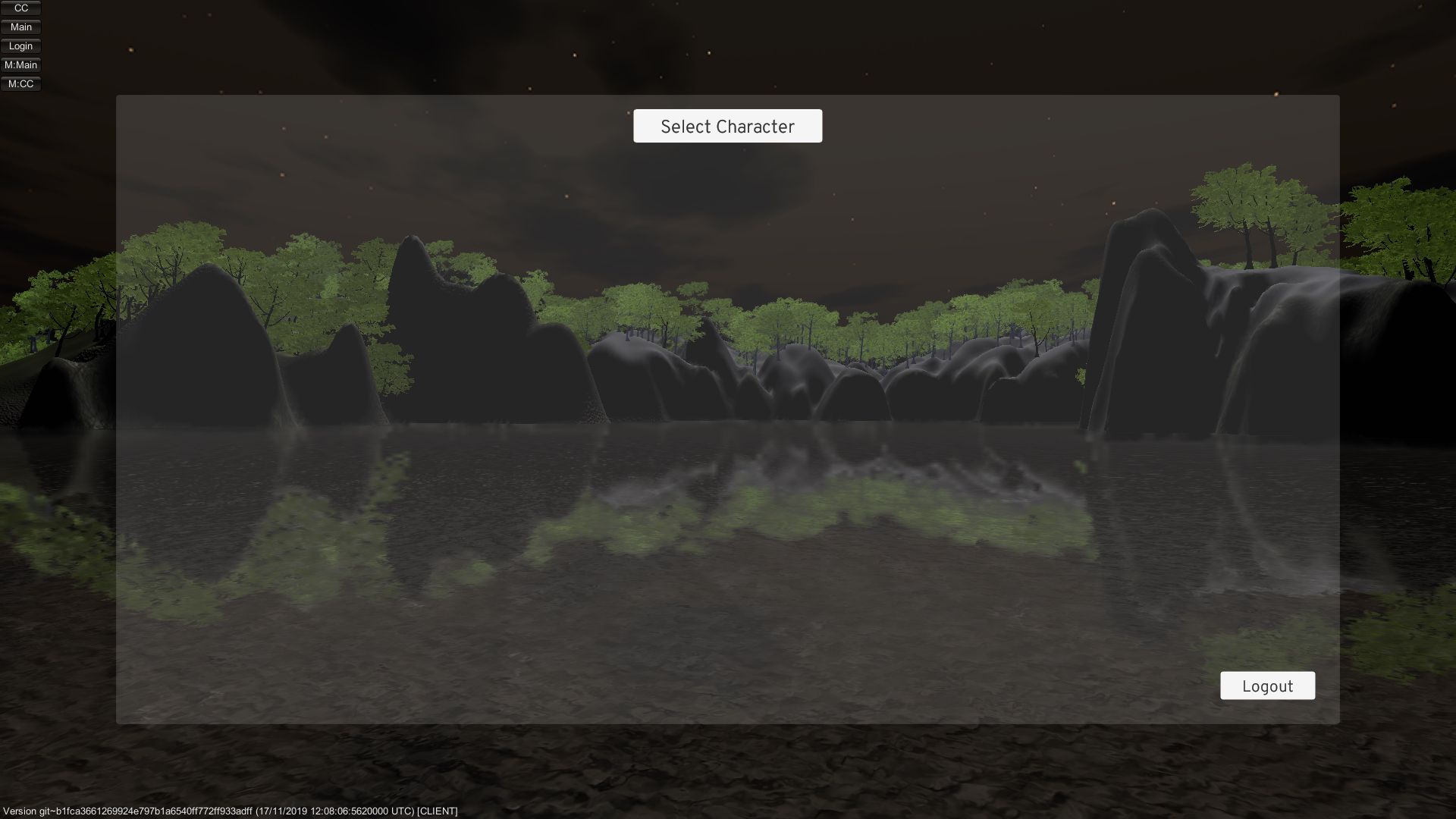
- User authentication infrastructure requiring player login
- More fluid player movement and animation
Videos
ℹ️ Note
Some of these videos were originally timed to specific pieces of copyrighted music. As the music has been removed, some pauses and transitions may appear longer than intended.
Screenshots
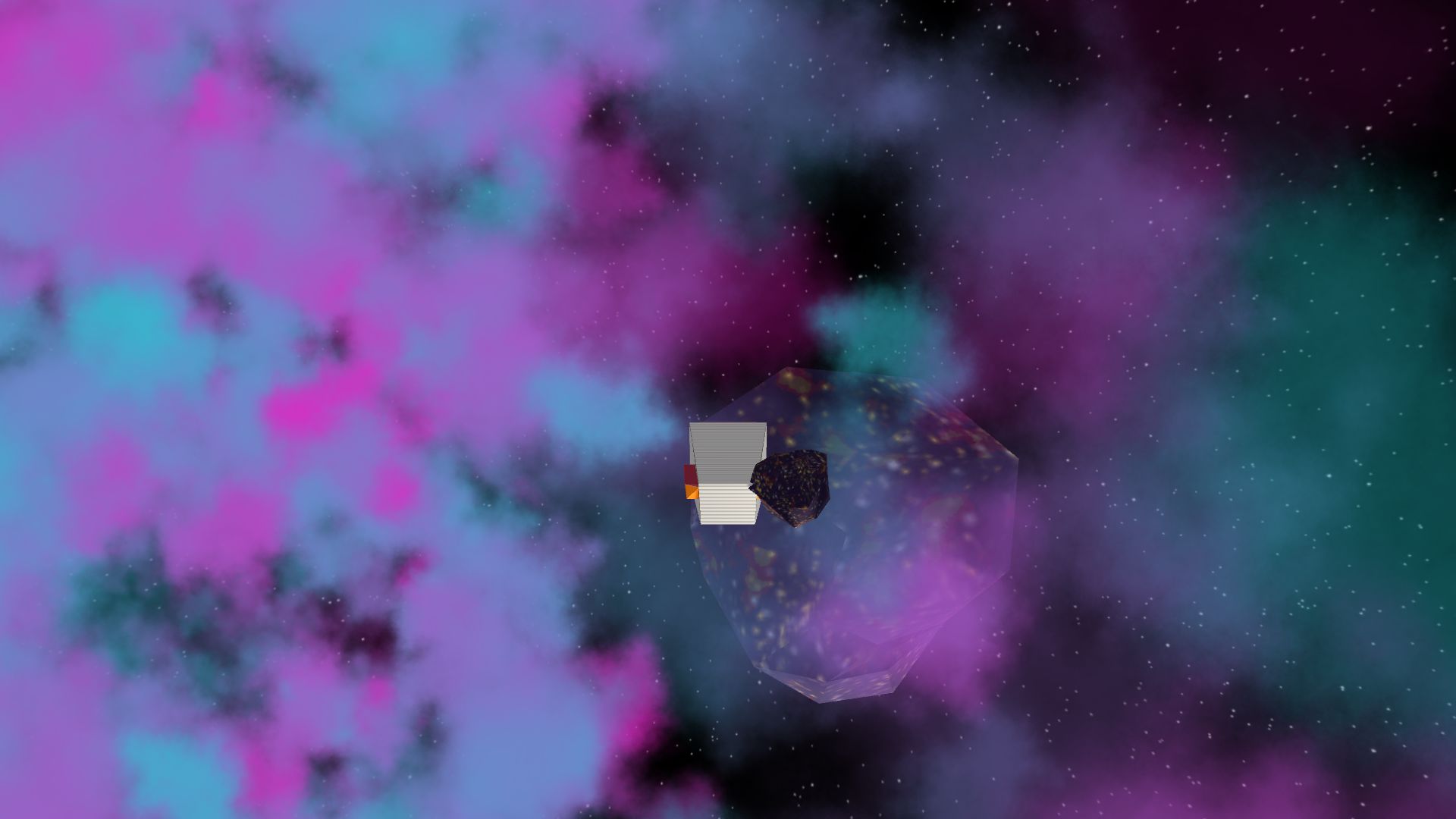
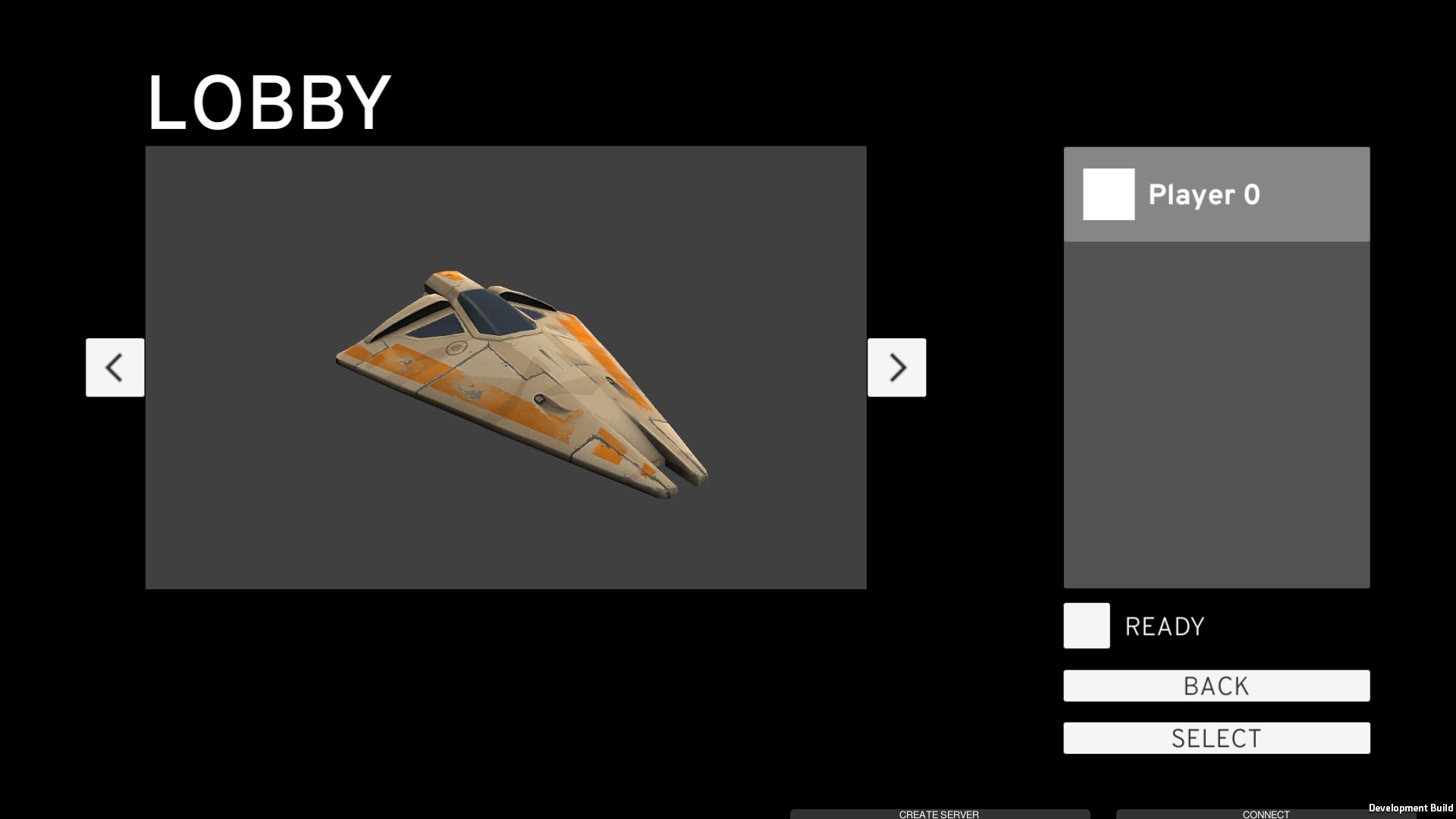
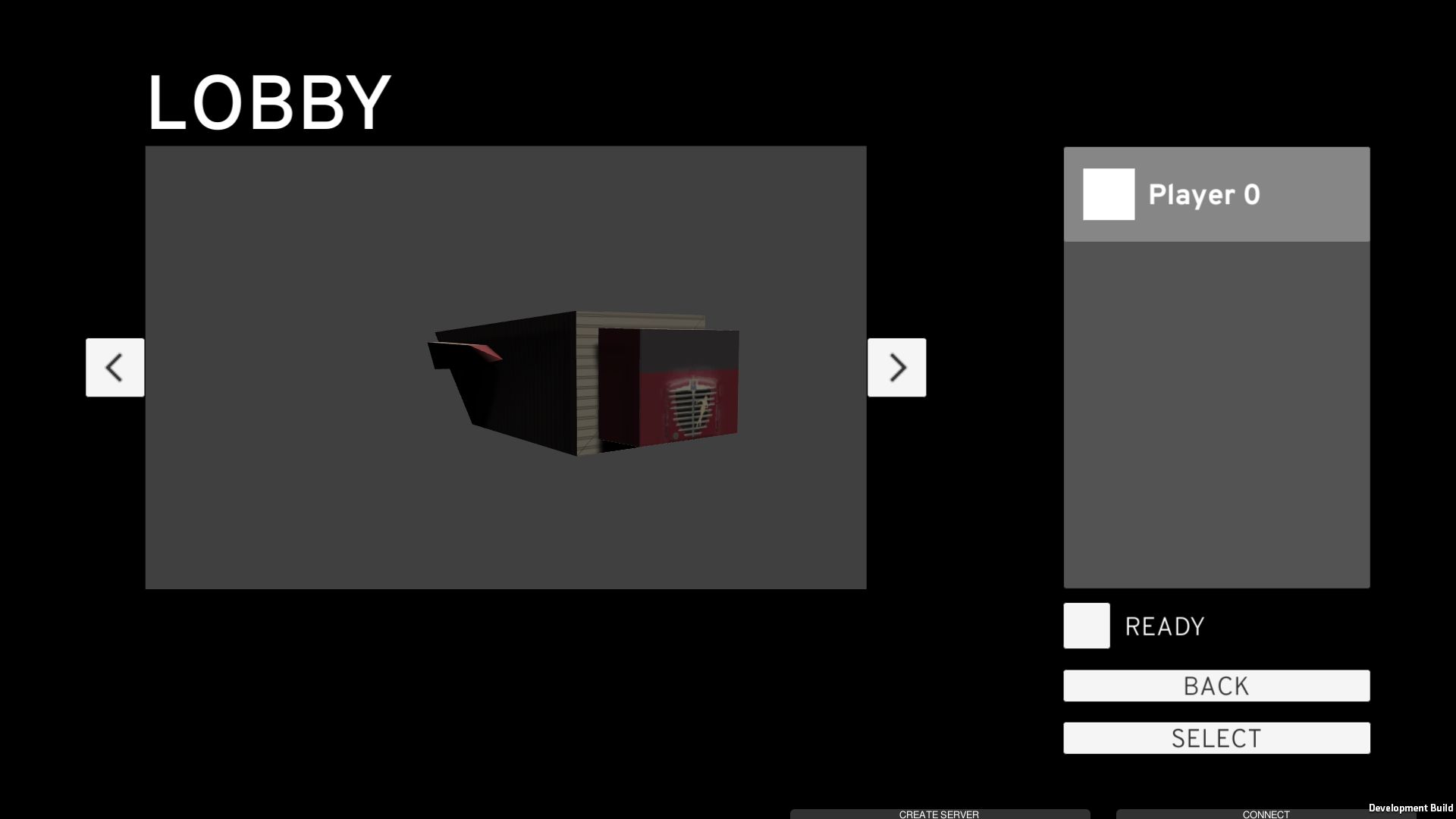
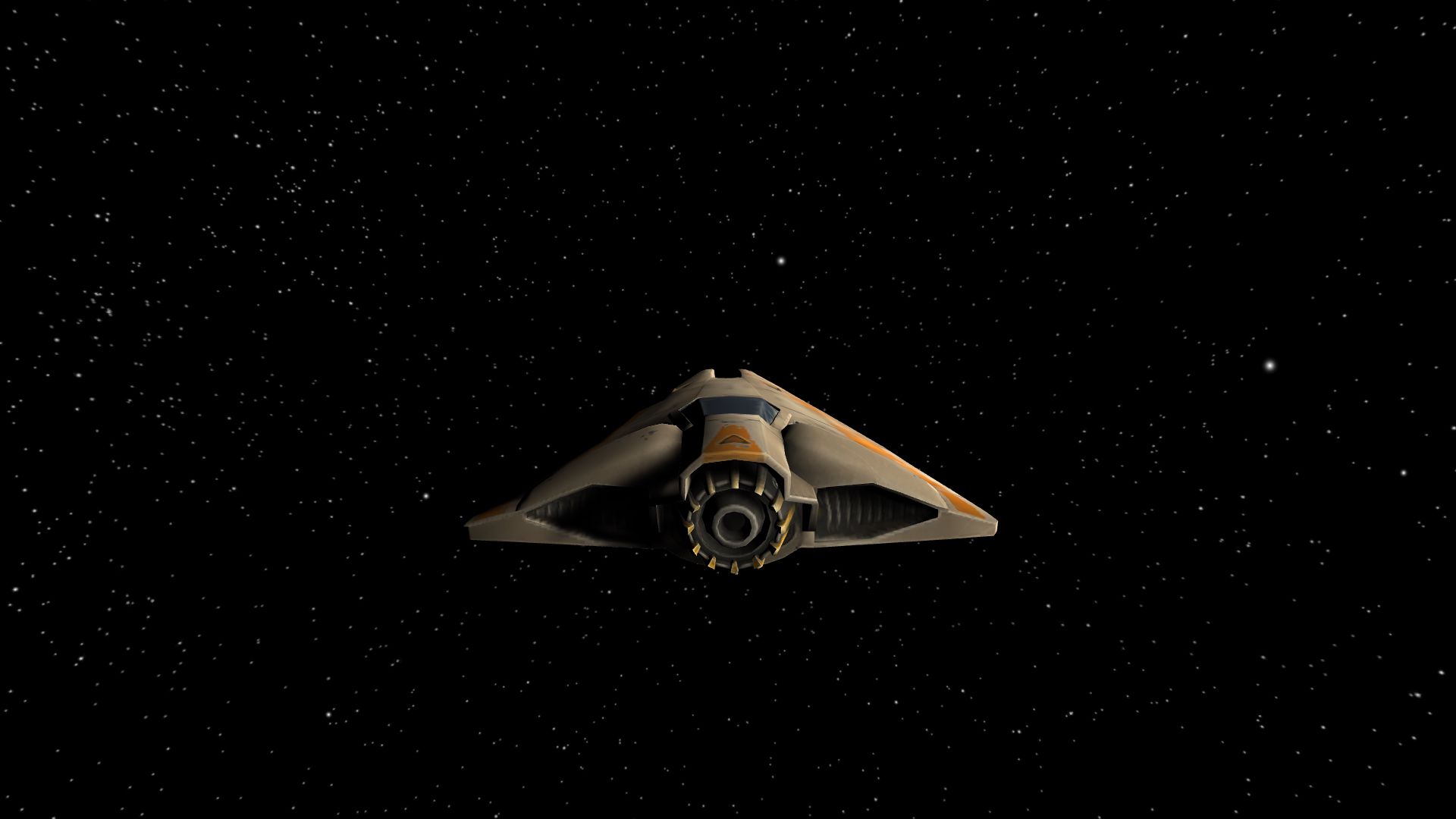
StarThief
StarThief was intended to be my first professional game project, developed in collaboration with two others. However, due to irreconcilable differences within the team, the project was ultimately cancelled.
It is included here for completeness.
Background
4 neozaibatsu (megacorporations), keen to harvest the freshest spacedust for its heavy elements, have sent their best dustsuckers to a planetary system where a star has very recently gone supernova. Each zaibtasu has their own unique take on the best way to get the sweet sweet spacedust, and they aren’t afraid to get rough.
Setting
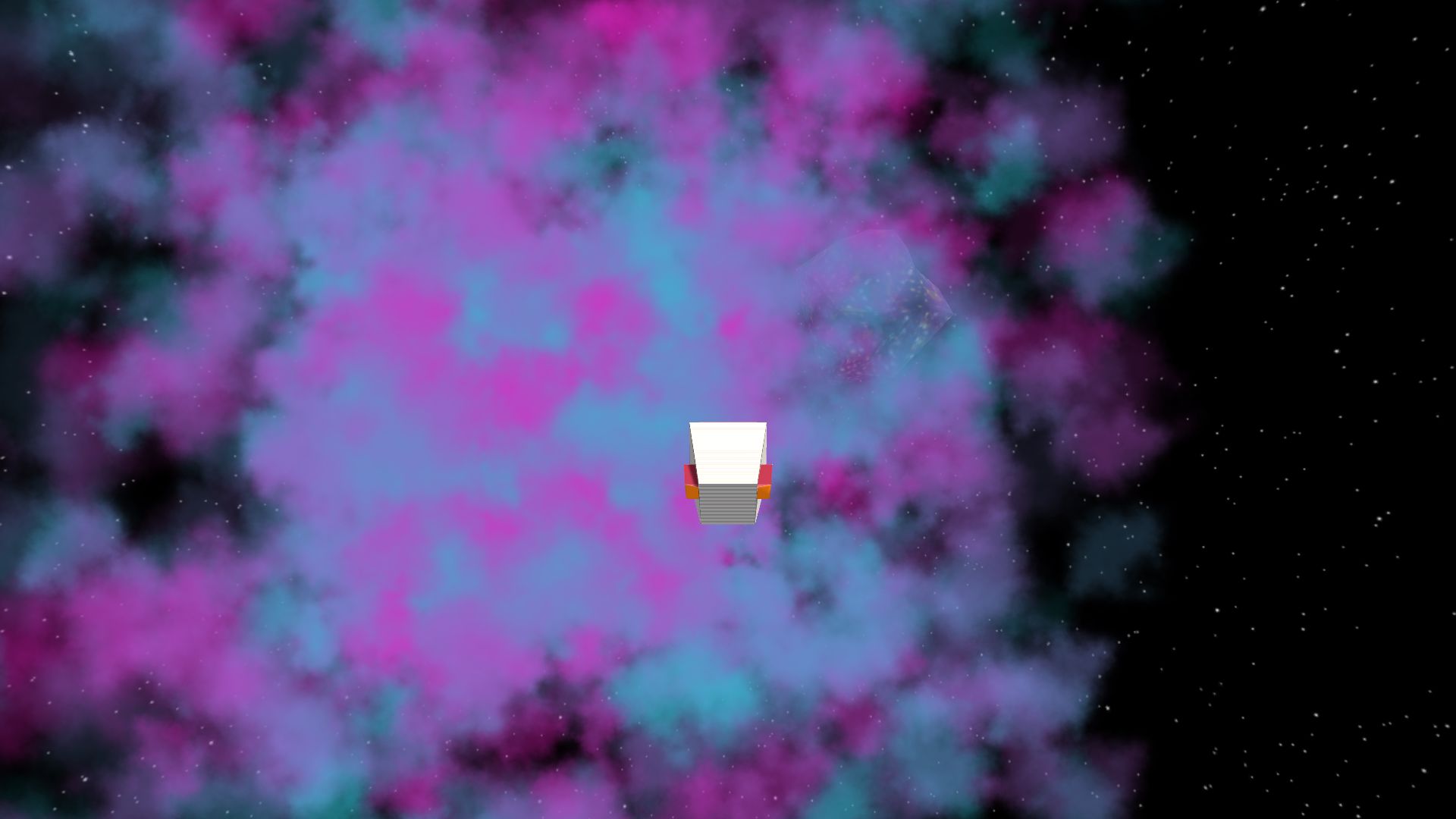
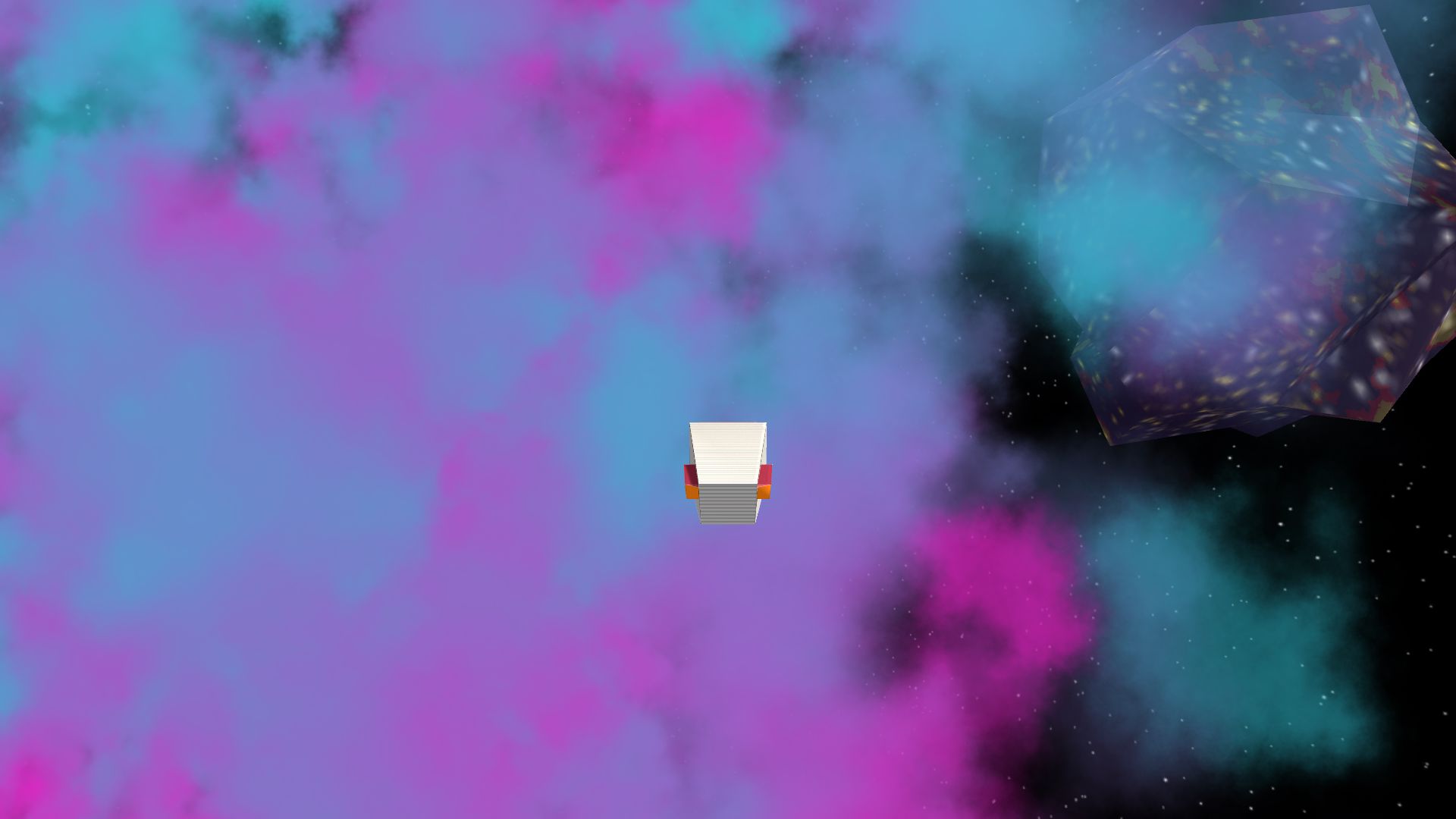
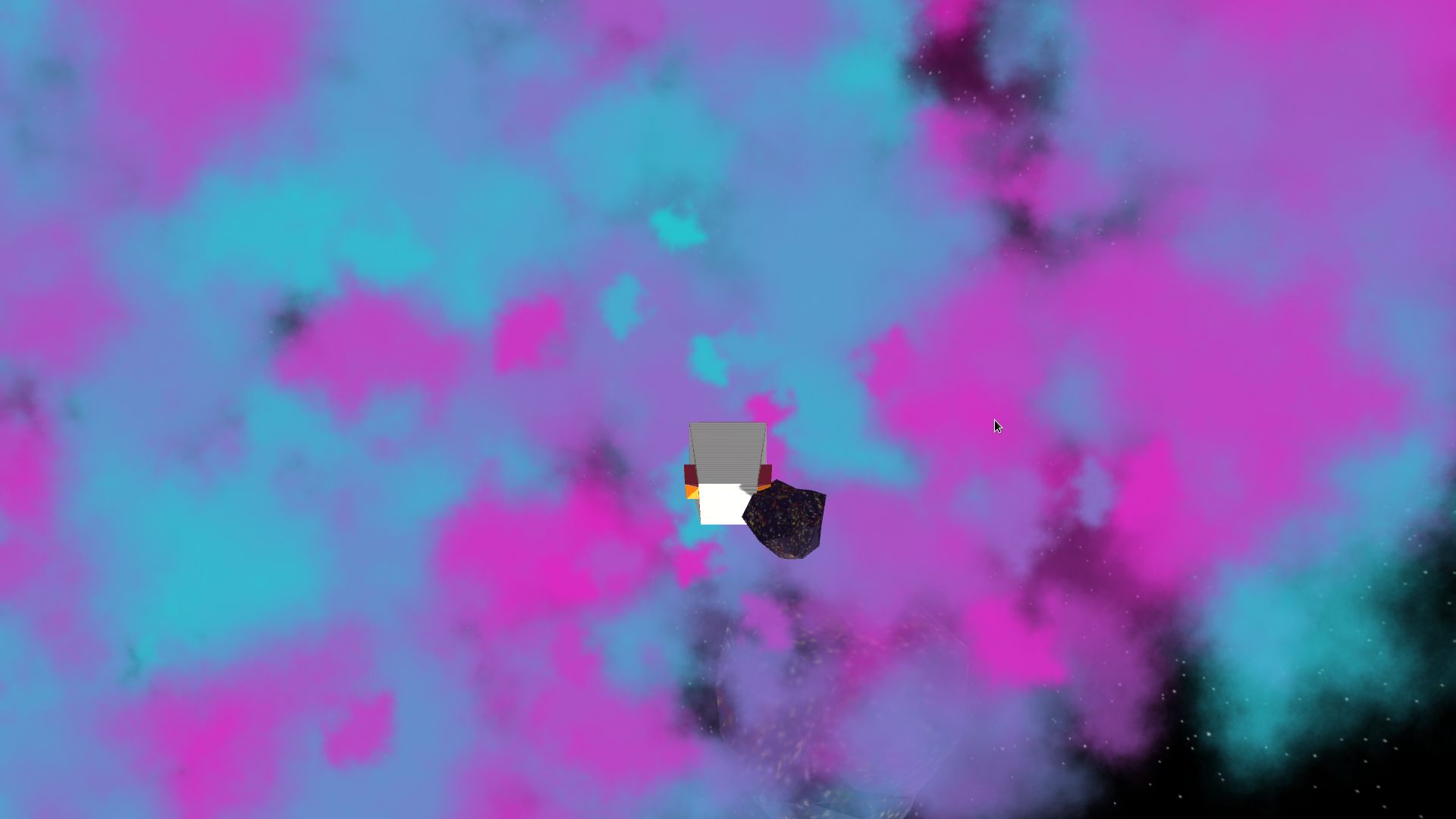
The game takes place in a 3D planetary system, just post-supernova. Players start in various positions around the outside of the system. A huge amount of spacedust has been thrown all over the system, and at the centre of the system there’s the star or black hole responsible for everything. The planet’s orbits have been disturbed by the supernova, and many have been swallowed up by the spacedust.
Gameplay
Players need to collect as much spacedust and rocks as they can, before the end of the round when one player eats the star/black hole at the centre. To win, players need to have the most spacedust collected. The stars and blackholes are a huge boost to a spacedust score, but they don’t guarantee a win.
The spacedust collected by ships is condensed into rocks and collected behind them in a line. Electro-chains are used to hold the rocks together in this line, and the chain can be broken by other players who steal rocks. When the line of rocks is broken by a rock being stolen by another player, the rocks on the tail-end of the line are dispersed into space, for everyone to take.
The end goal for players is to reach the centre of the planetary system with the right upgrades to allow them to eat the star/black hole at the centre, the ultimate resource haul. To be able to get anything from the star, and to avoid the forceful pull of gravity from being so close, players need to have used spacedust to get the right upgrades. These upgrades can be bought at any time through the interface. Cosmetic changes that carry between rounds can be bought with spacedust collected after each round.
Videos
Screenshots
Croc Remake
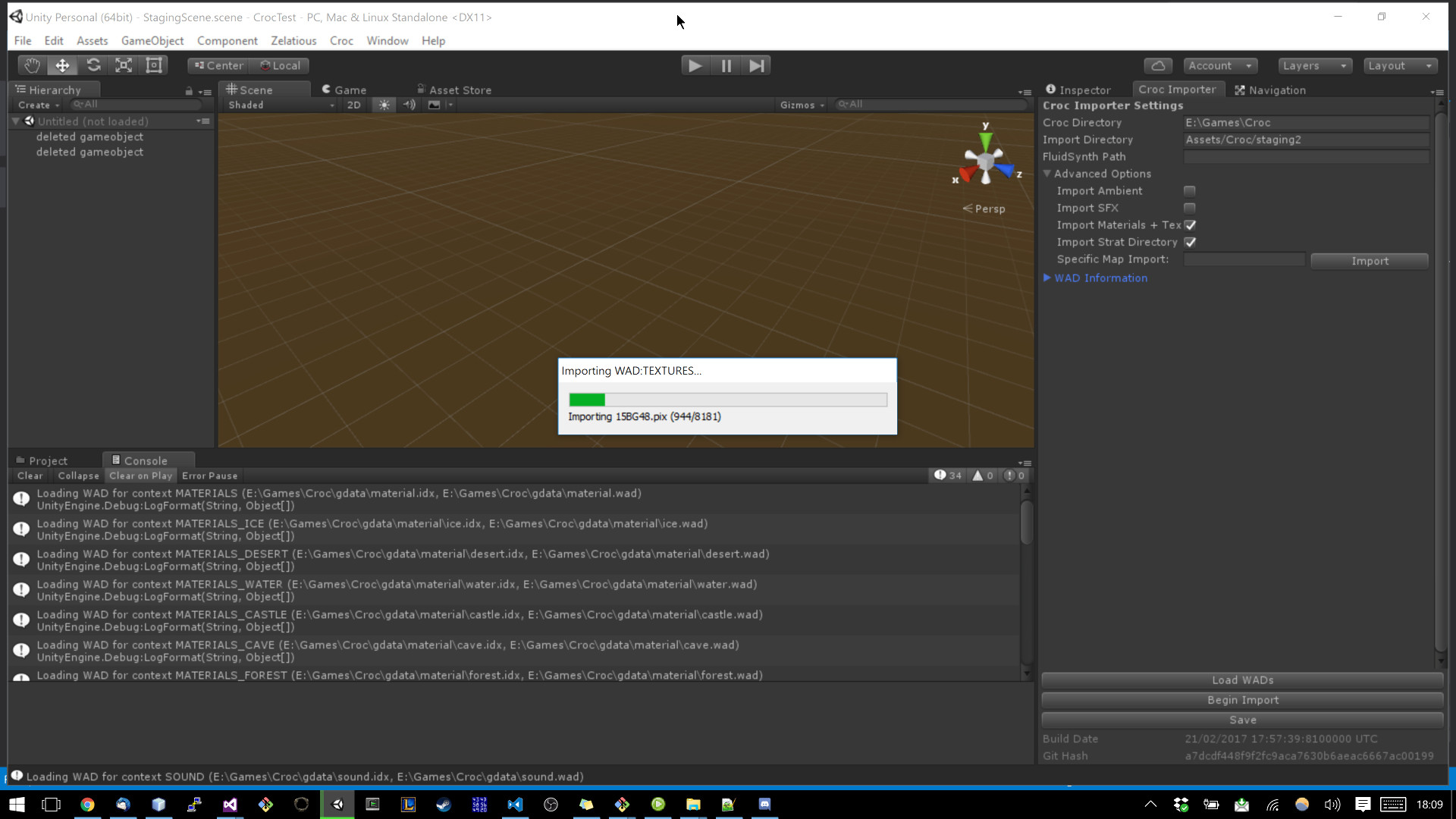
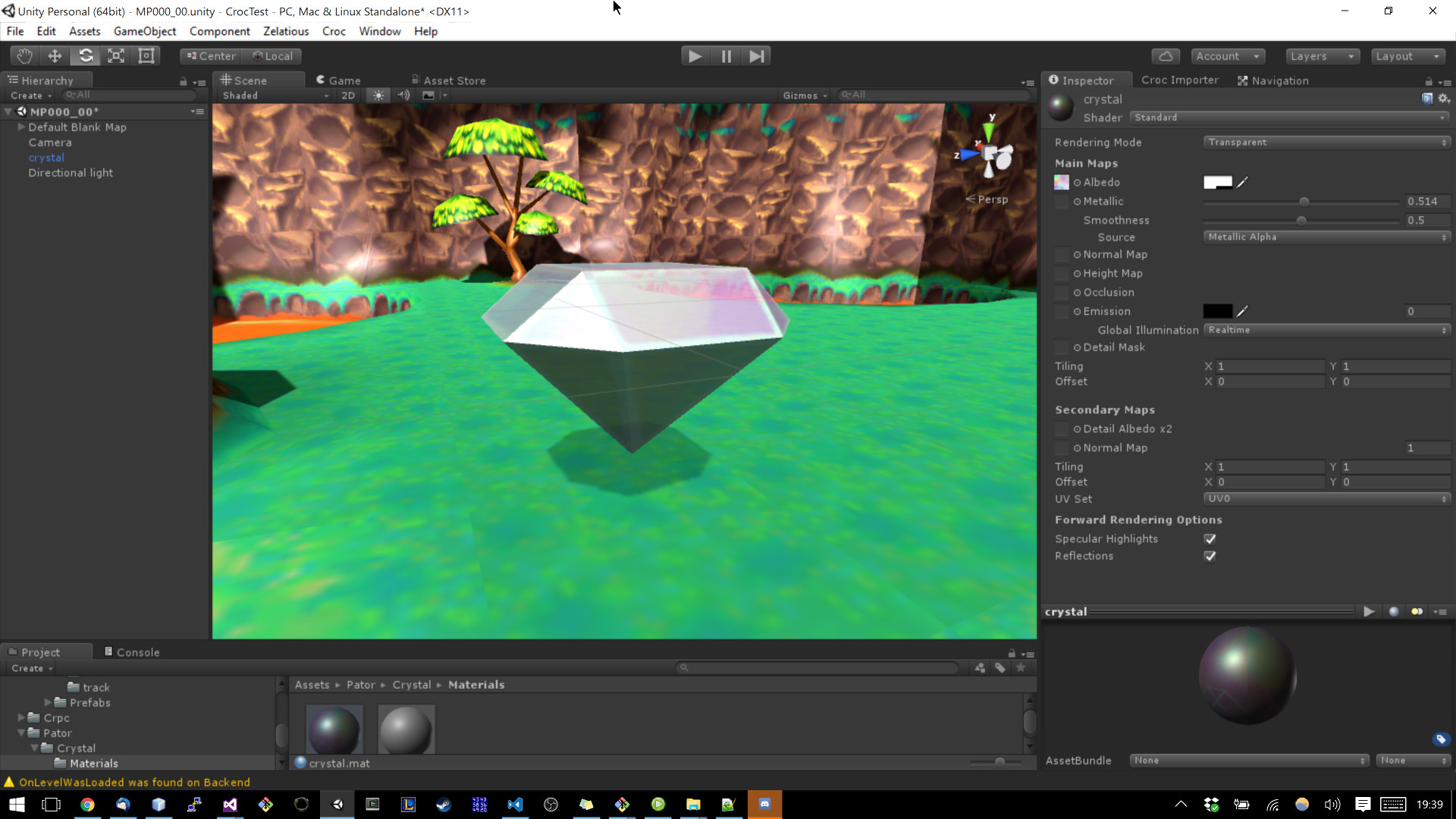
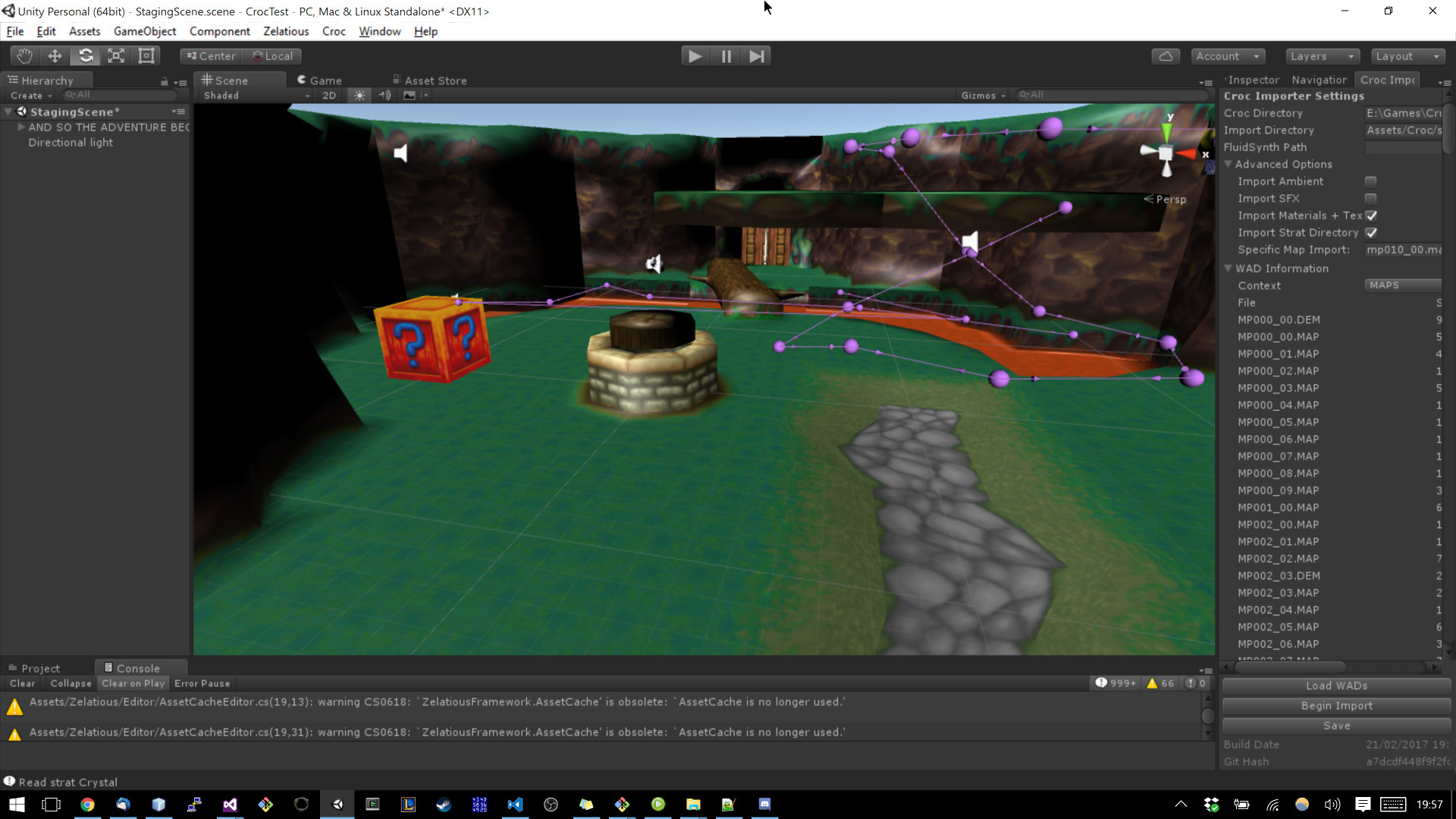
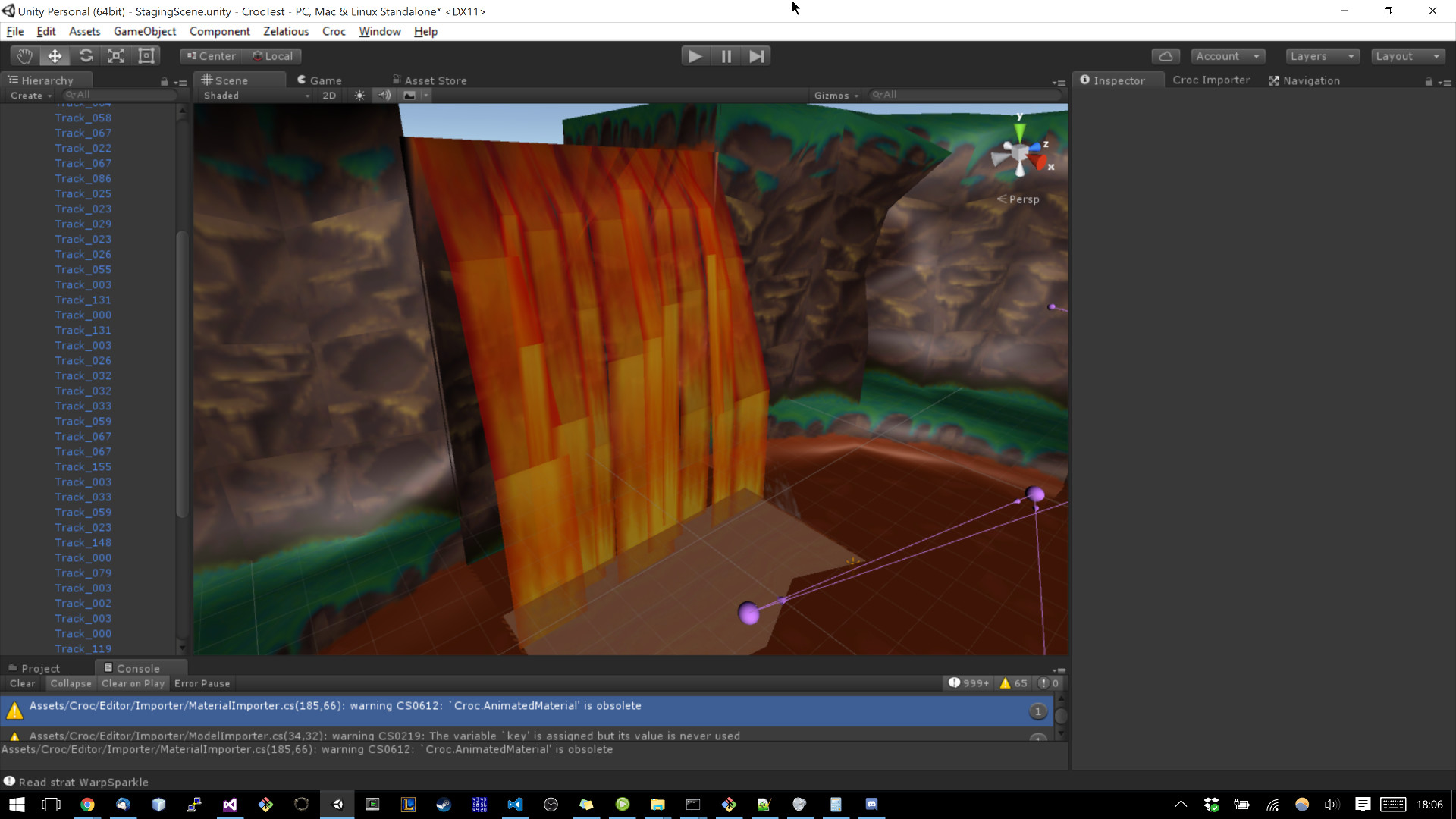
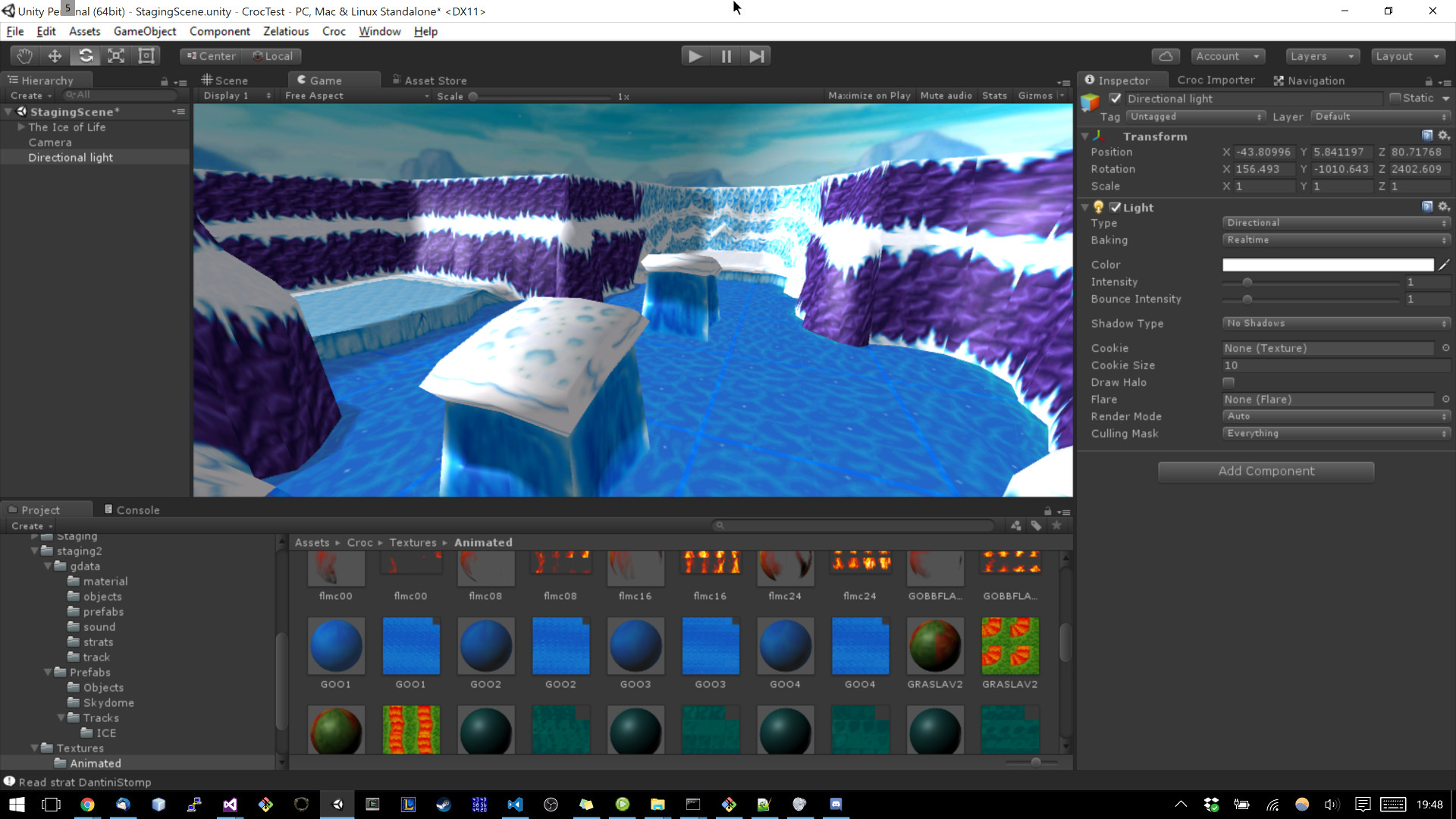
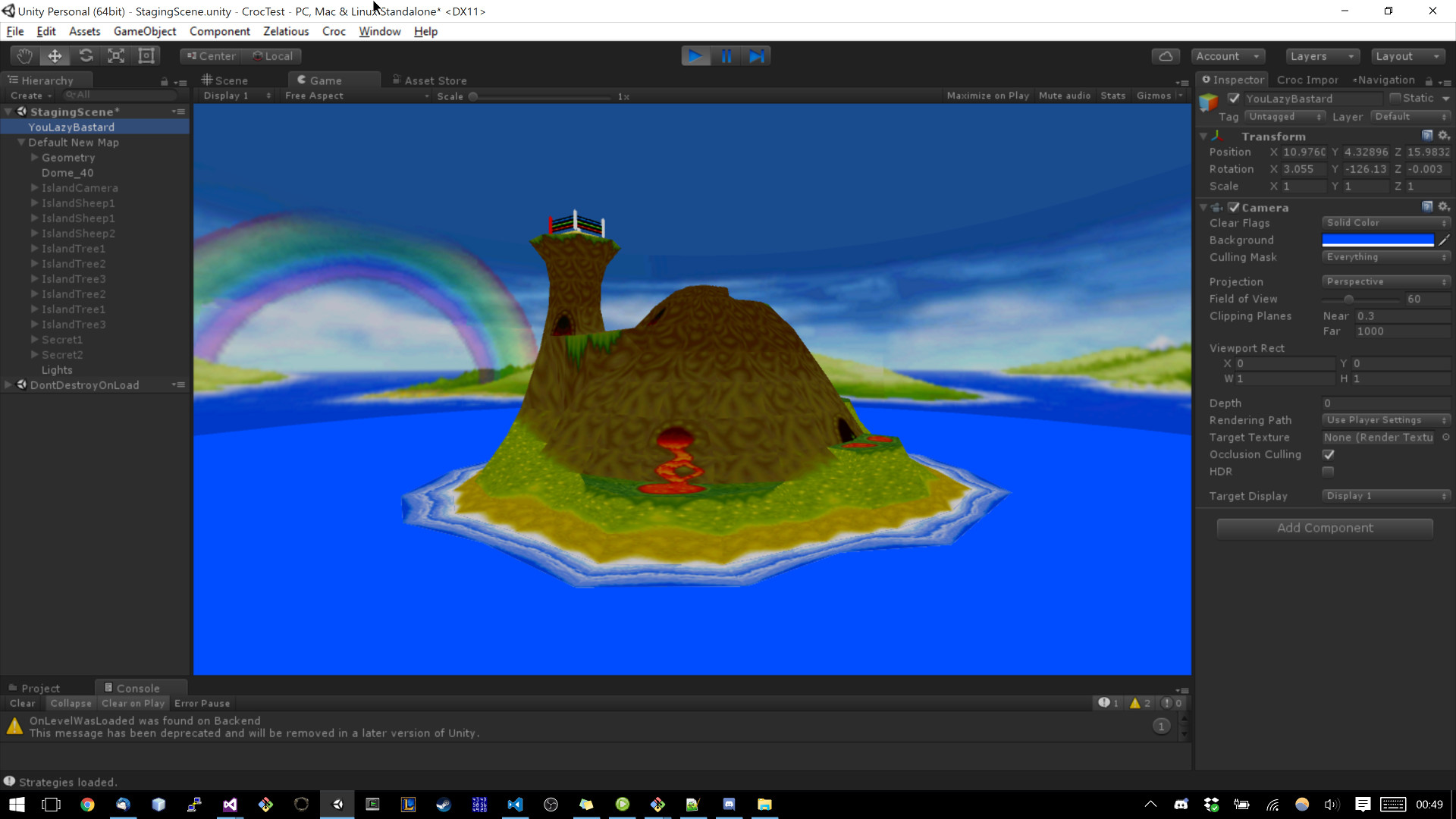
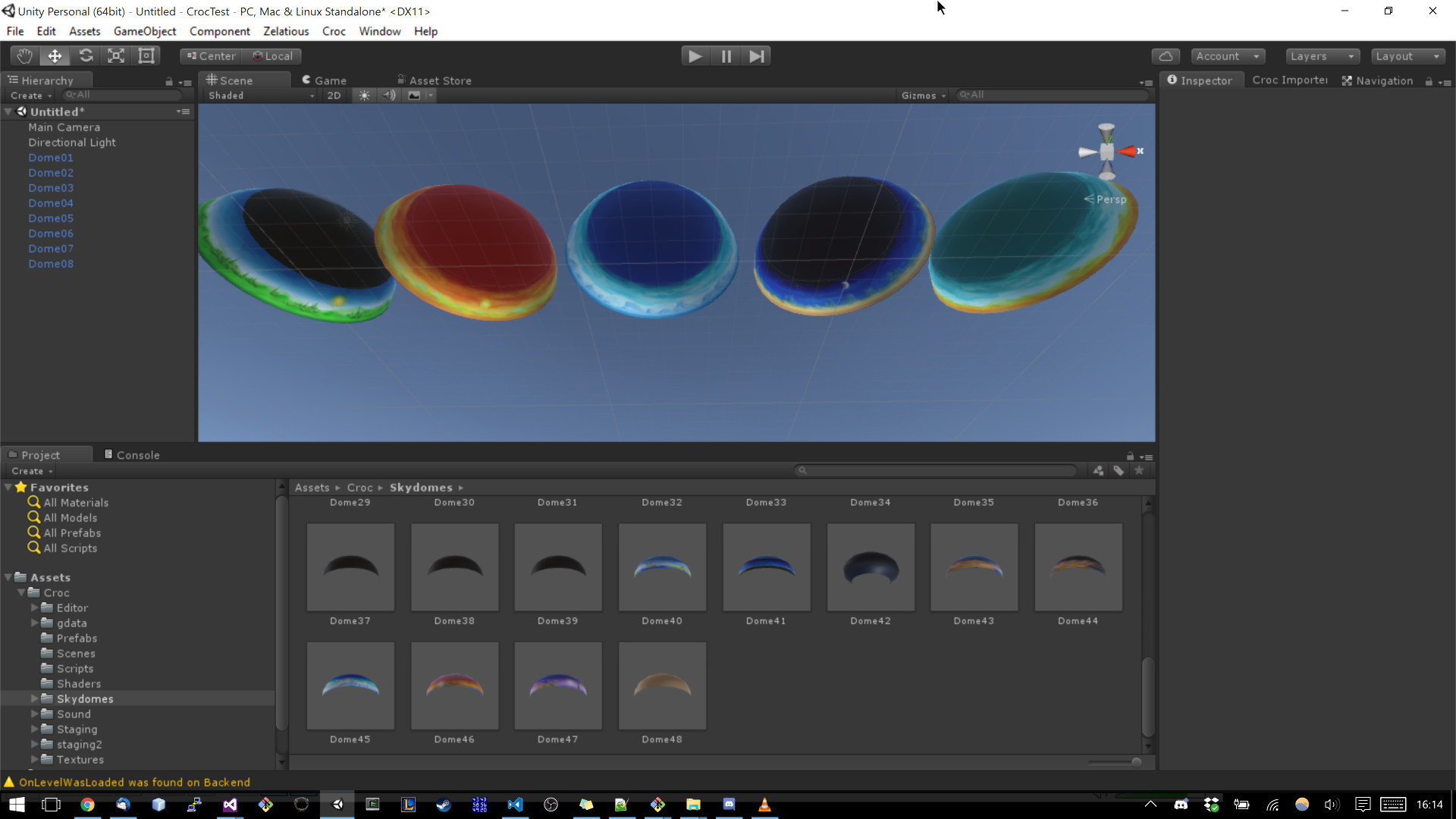
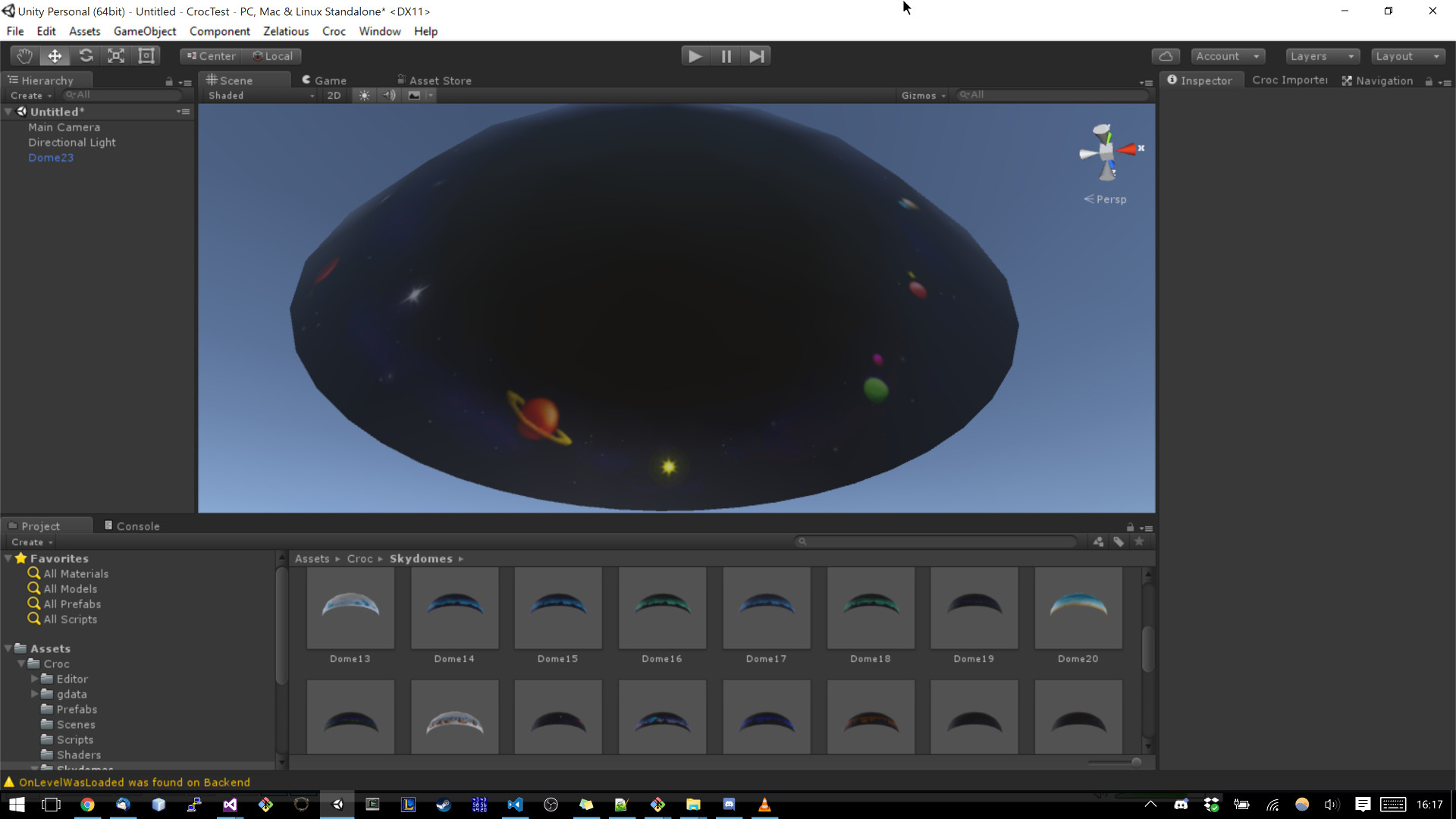
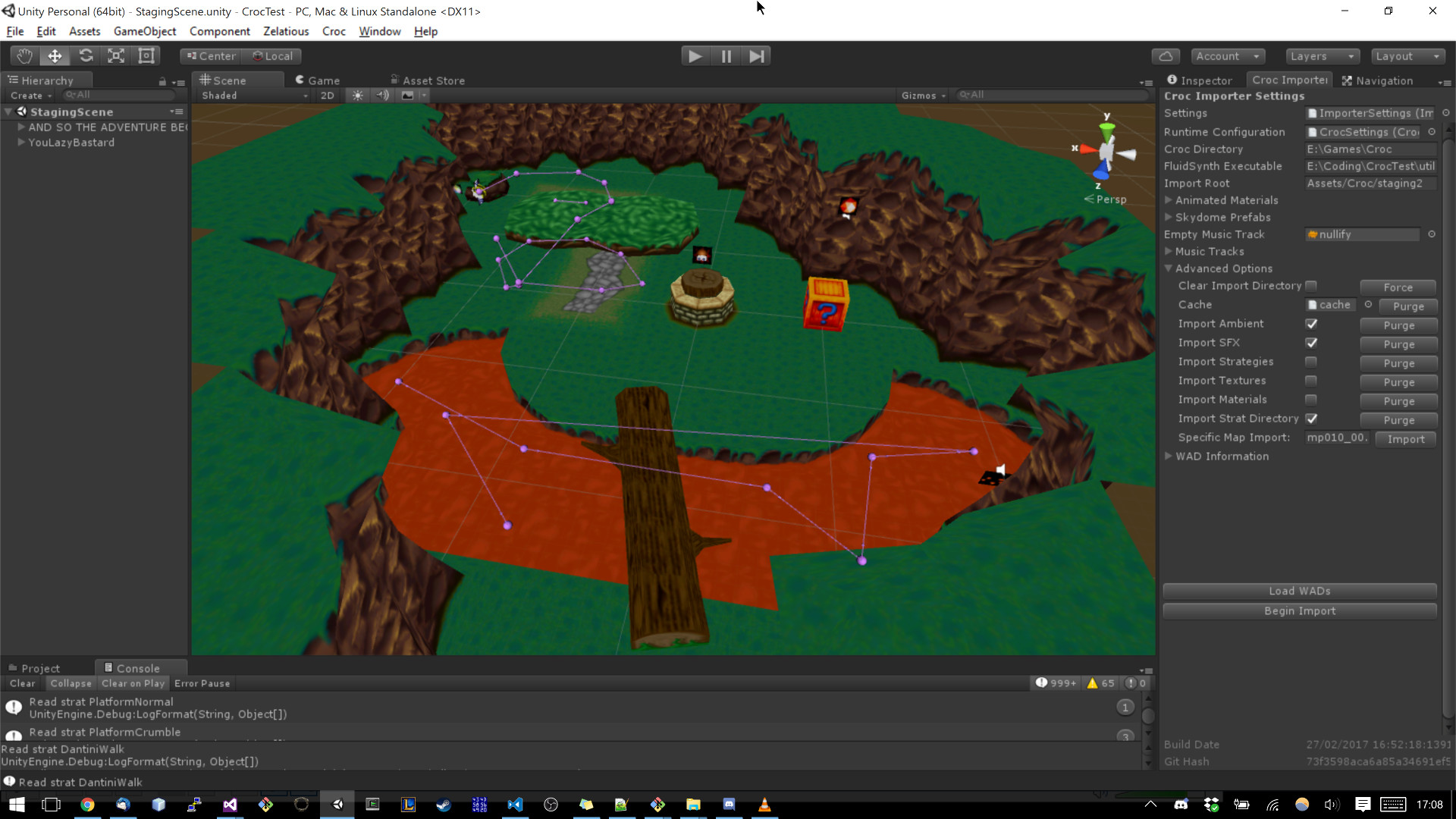
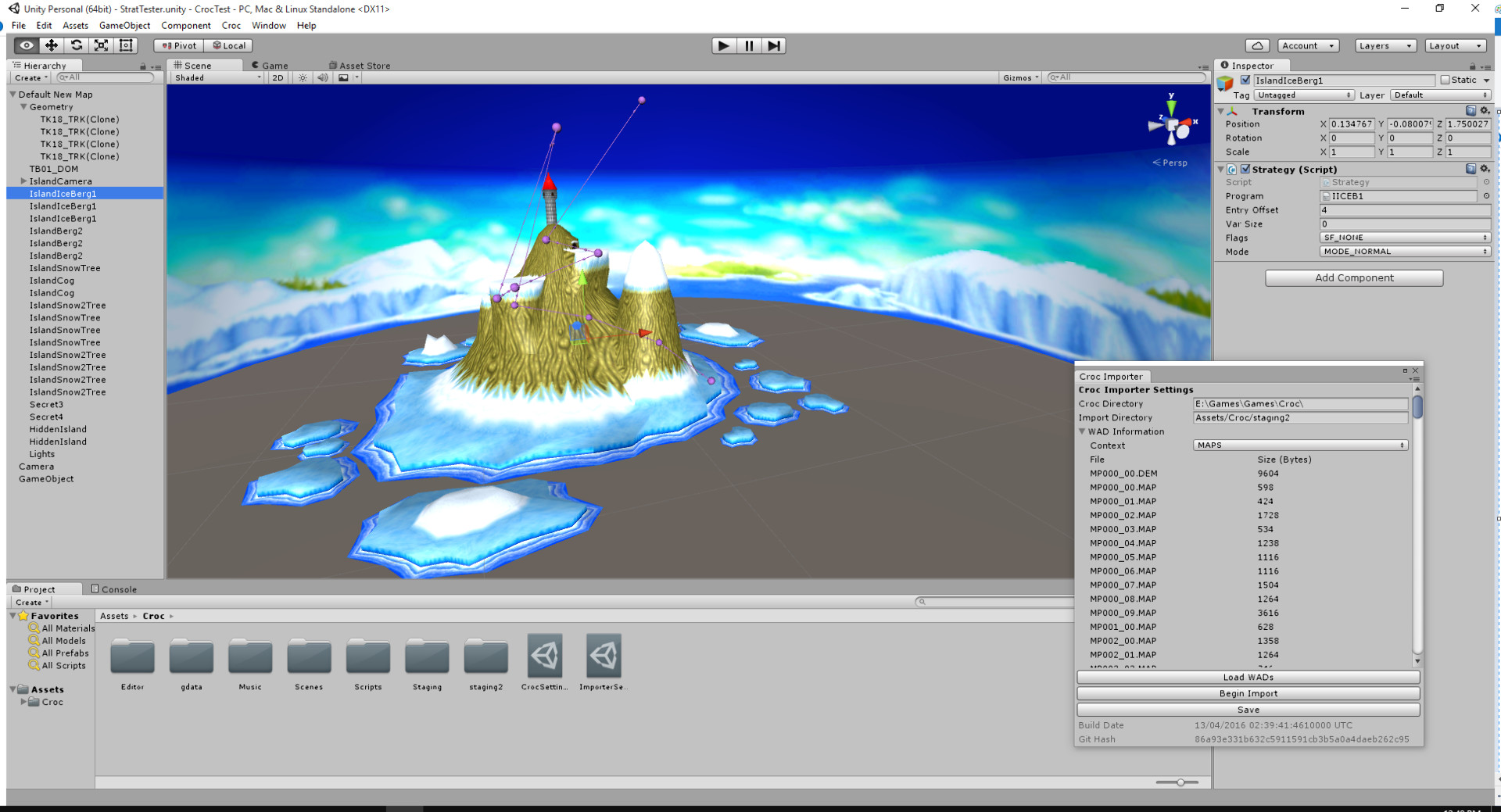
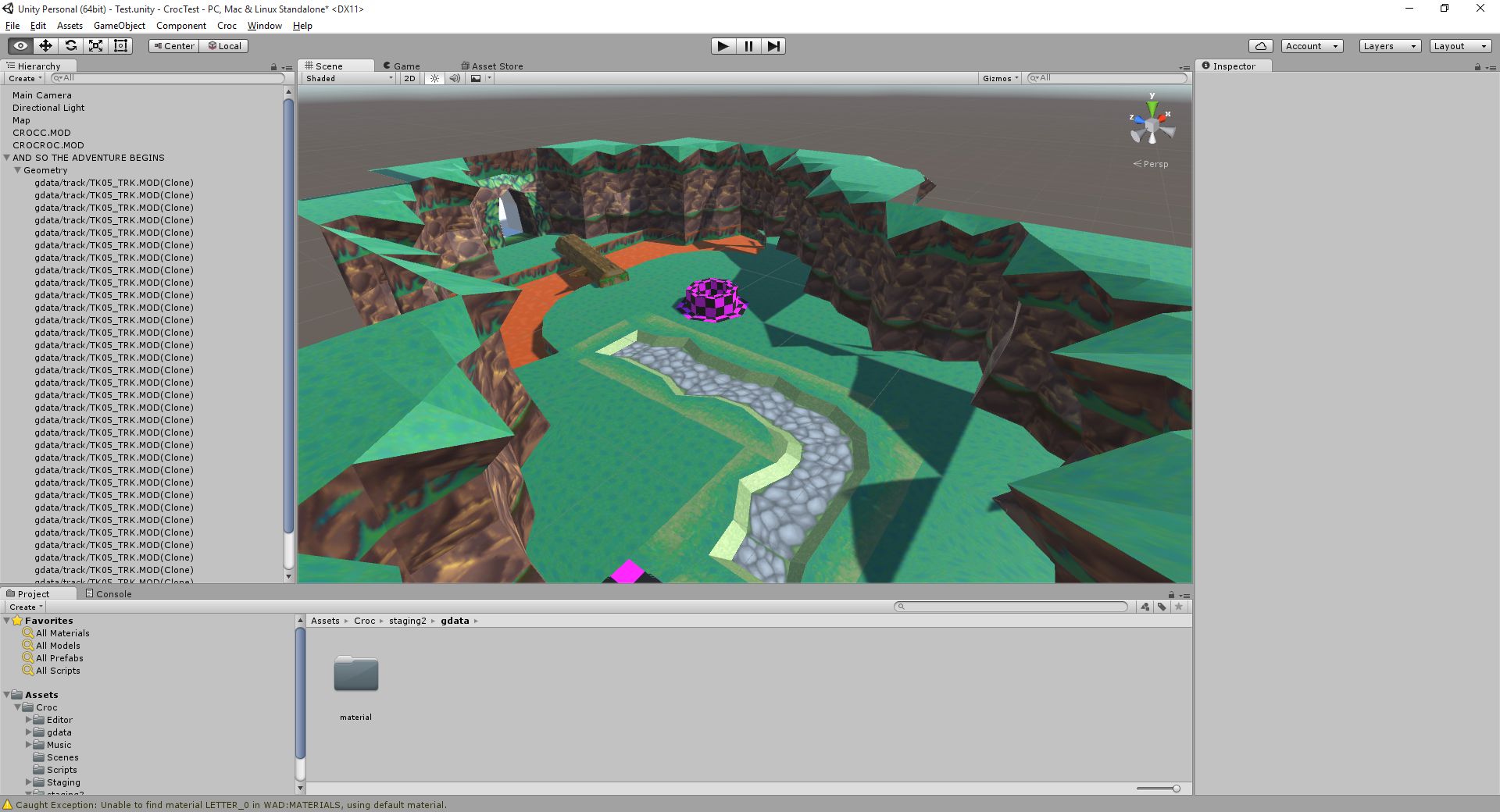
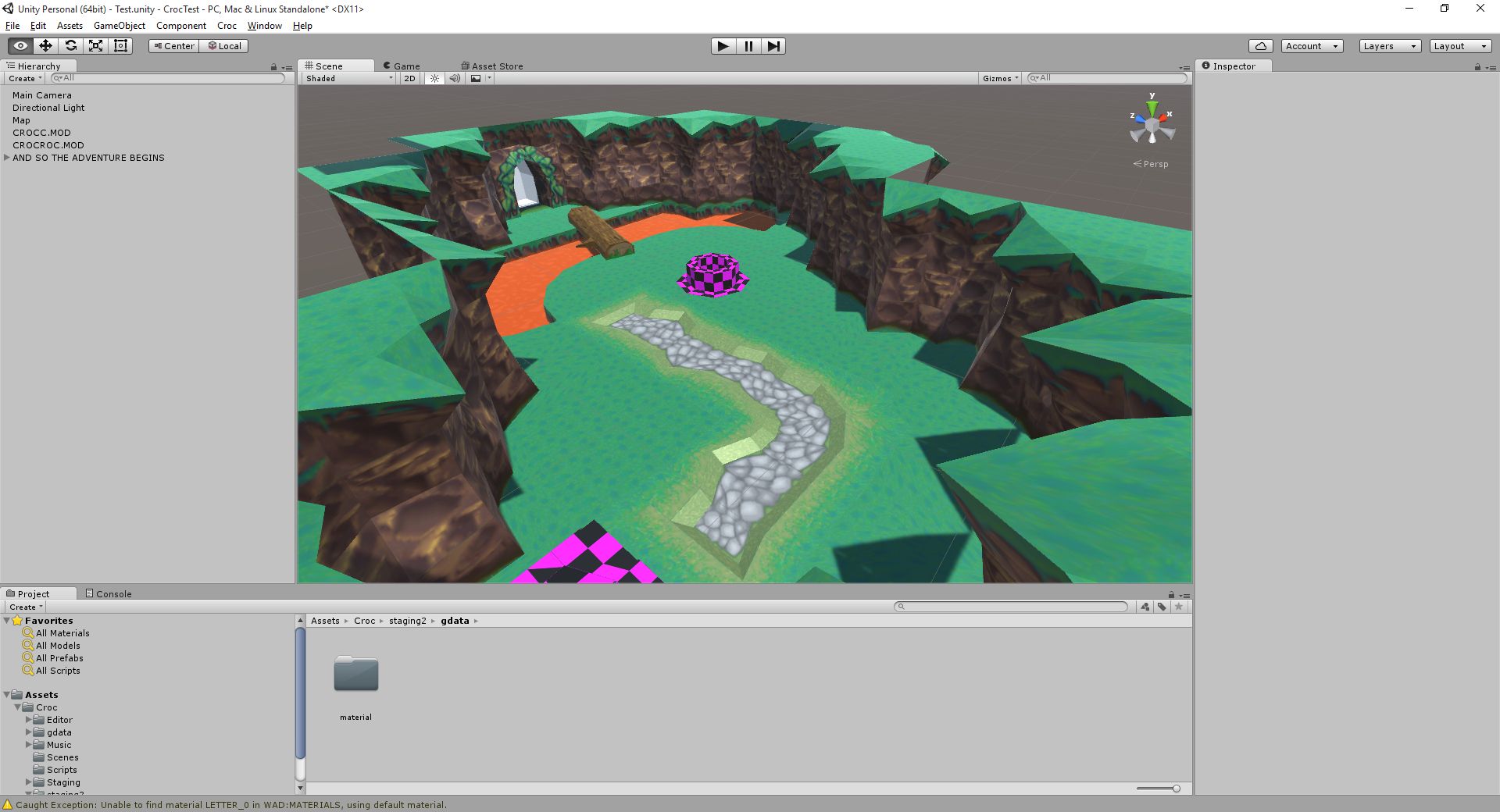
An experimental Unity3D importer for Croc! Legend of the Gobbos asset formats.
The importer could process maps, models, textures, and sounds from the original game, generating Unity scenes of each level.
Videos
Screenshots
“Immersed” Kevin MacLeod (incompetech.com) Licensed under Creative Commons: By Attribution 4.0 License http://creativecommons.org/licenses/by/4.0/ ↩︎ ↩︎
“Ossuary 3 - Words” Kevin MacLeod (incompetech.com) Licensed under Creative Commons: By Attribution 4.0 License http://creativecommons.org/licenses/by/4.0/ ↩︎